
Beyond the Legend: Clive Davis’ Complicated History With Black Artists
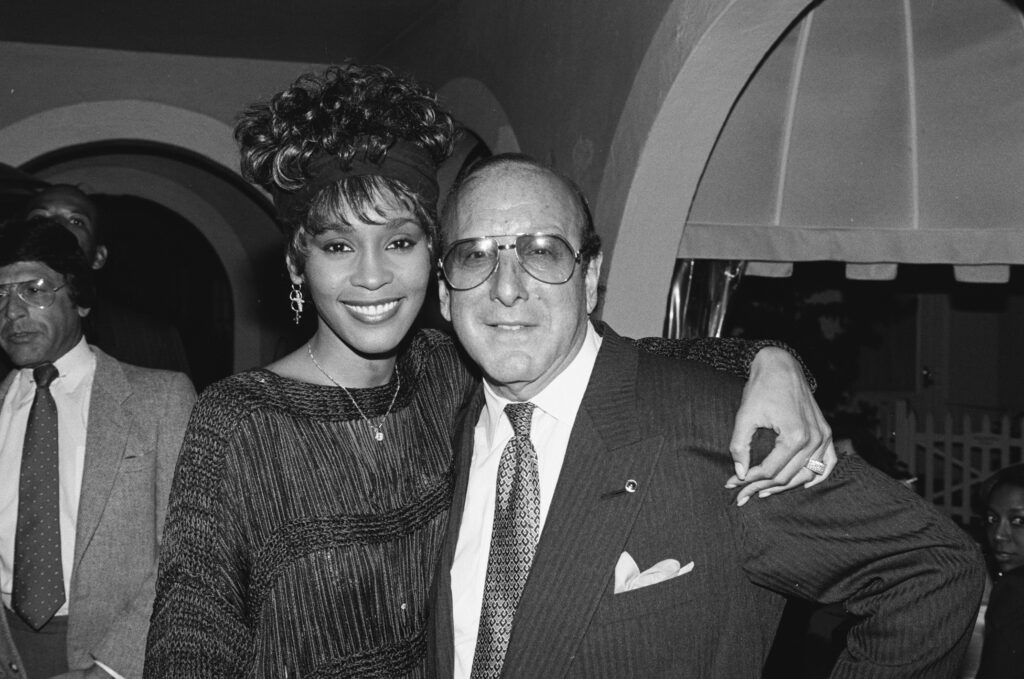
News of the death of Clive Davis—the Arista Records founder and former president of Columbia Records—rocked the music industry. Tributes began pouring in on social media, with artists like Jennifer Hudson, Jermaine Dupri, and more reflecting on the positive impact he had on Black artists during his decades-long career—and they have good reason to do so.
Thanks to Davis, we got to enjoy great music from artists like Aretha Franklin, Phyllis Hyman, Biggie, Earth, Wind & Fire, Alicia Keys, all the artists on the LaFace Records roster (Davis partnered with them through Arista Records), all the artists on Bad Boy Records’ roster (Davis put up half the money so Sean “Diddy” Combs could start the label) and most notably Whitney Houston.

RELATED: The Tragic Story of Legendary R&B Diva Phyllis Hyman
However, for all the good Davis did, the reality is that he also pulled some shady moves on Black musicians. And that part of his legacy can’t be ignored.
Take, for instance, his gross mishandling of Whitney Houston’s death in 2012. While Davis was the person largely responsible for putting Houston on the map, cultivating her sound to help her achieve crossover success, and eventually becoming like family to her, he failed to honor her when she needed it the most.
When she drowned at the Beverly Hilton Hotel on the same night and in the same building as Davis’ pre-Grammy party, his decision to keep the night going as planned has consistently been seen as an egregious act of disrespect and disloyalty. (Davis defended his decision, explaining that they turned the event into a tribute to Houston after the unfortunate turn of events.)

We also can’t forget Davis’ connection to Diddy. Davis was instrumental in building Diddy’s career and stature. However, his dealings with his artists also set a bad example. Specifically, Davis served as one of the few powerful music executives at the top of the food chain who wanted to have a hand in every aspect of their artists’ dealings and wielded enormous power over them with little to no accountability. With that in mind, it’s no wonder that folks drew a through line between Davis’ behavior and how Diddy dealt with his artists through strategic gatekeeping, limited creative control, and financial manipulation.
Other Black artists like Phyllis Hyman also had a rocky history with Davis, despite his ability to bring them considerable success. And that’s why folks on social media and in the music industry are having such a hard time coming to grips with his death. Was Davis a huge driving force behind so many of the artists and legends we love and revere today? Absolutely. But did he always make the best decisions for those same artists? No.
It’s fair to say that, given his questionable moves and public support for Black singers, Davis walked the line of being a champion of Black music while also being an exploiter of Black talent. He showed up for his artists by putting his money and his reputation behind them, but it often came at a cost to their creative control, sound, and reception into the broader Black community. We can acknowledge his contributions while holding him accountable for the ways he misstepped in his career. That’s really the only way his legacy should be remembered.