
Labor Day Isn’t Just a Cookout—It’s the Legacy of a Black Cleveland Lawmaker
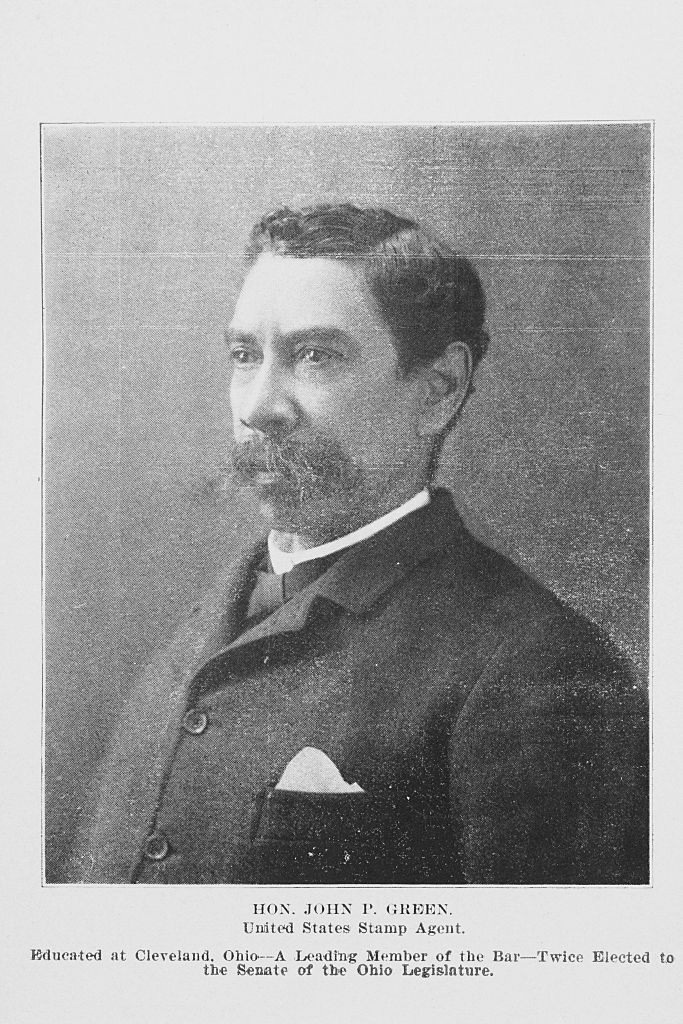
This weekend, families and friends across the nation will enjoy a long weekend and a Monday away from work for Labor Day—the unofficial end of summer and the start of a new season. But whether you’re enjoying a plate (or two) of barbecue, some extra rest, or using your time off to serve your community, remember this name: John Patterson Green. We’ll tell you why.
John Patterson Green was a Black Cleveland lawyer and politician who helped make Labor Day a holiday in Ohio in 1890, four years before the federal government recognized it nationwide. Yet despite helping establish one of American workers’ most beloved holidays, Green’s story remains largely untold – until now.
After graduating from Union Law School, Green moved to South Carolina and was admitted to the bar. In 1872, he returned to northeast Ohio and made history as the first elected Black Republican justice of the peace in Cleveland. After holding the post for nine years, he was elected to the Ohio House of Representatives in 1881 and became the first Black member of the Ohio Senate in 1892. But these feats were only beginning. He would soon change the course of history forever.

Born on April 2, 1845, Green, called the “Father of Labor Day,” was the son of John R. and Temperance Green. Shortly after his father’s death, his family—who were not enslaved—moved from Newberne, North Carolina, to Cleveland, Ohio, in 1857 for better opportunities.
RELATED: The Perfect Playlist for Your Labor Day Cookout
Nearly a decade later, he introduced “A Bill to Create Labor Day,” the bill that established Labor Day as an official state holiday, long before the U.S. Congress made it a national holiday in 1894. It became law on April 28, 1890, according to the Cleveland Public Library.
“I am in perfect accord and sympathy with the laboring element, for I was once a laborer myself,” Green said during a speech in 1892 directed at the clothing salesman’s union after clothing firms made efforts to extend evening hours, as reported by the Cleveland Public Library. “Though I have had a law office on Superior Street for over twenty-one years, I have had no more than six cases from the rich. My patronage has been among the tin pail brigade. In all my legislative career, I am proudest of the fact that I secured the passage of the act creating Labor Day in Ohio. I am also proud that I voted for the bill to close barber shops on Sunday.”
He declared that Sundays should be “free from the encroachments of labor,” giving workers more opportunities to pursue education and other means of self-improvement. Labor Day was created as a 24-hour period of solidarity to understand the history of the American workforce and the sacrifices they made.
“We exhaust ourselves in work. We must have more rest. […] Conquer by moral force and your outing will last forever,” he said.
Laborers often worked 12 hours a day, seven days a week in mills, factories and mines, with no breaks, proper ventilation or sanitary facilities, according to the U.S. Department of Labor. Even young children weren’t exempt from harsh labor. Not only did they work dangerous industrial jobs, but they did it for very little pay. The Labor Day that Green established was intended to protest those working conditions, observe, and celebrate the achievements of workers and labor movements.
Green passed away in 1940 at age 95, but his legacy endures generations later. The Coalition of Black Trade Unionists will pay tribute to John Patterson Green on Sept. 5 at his gravesite in Cleveland’s Woodlawn Cemetery.
“Hundreds and hundreds of people participate in the [Labor Day] parade, but they have no idea who John P. Green is,” W. Dean Hudson, a Republican state representative from Cleveland’s Glenville neighborhood, told Signal Cleveland. “Given the climate that we live in now, with books being taken off the shelf and statues taken down, we don’t want our history to be erased.”