
Cambridge’s Youngest Black Professor Found Dead Following Plagiarism Probe
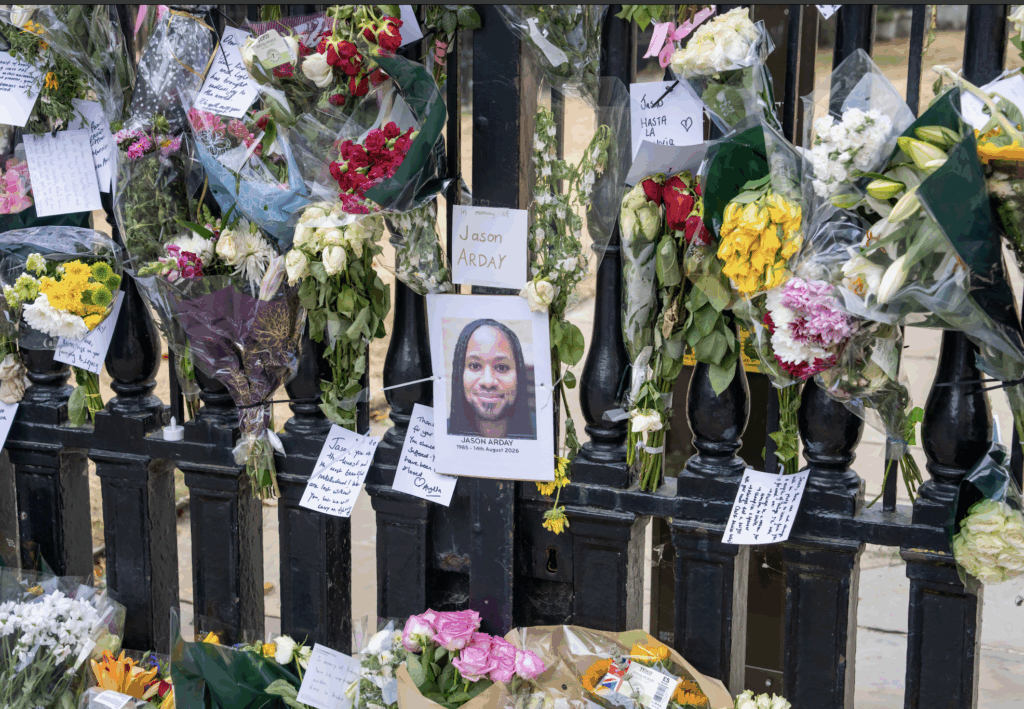
The story of Jason Arday’s rise in British academia was one for the history books. The Black scholar, known for speaking out about his disability and adversity, became Cambridge University’s youngest Black professor in 2023. But after widespread controversy and a bombshell resignation sparked debates over plagiarism, race relations and social mobility, his story came to a tragic end.
At 41 years old, Arday was found dead in London, according to The Guardian. But before his death made international headlines, the respected professor had become a symbol of Black academia and success for one of Britain’s top institutions.
His appointment at Cambridge University made him the epitome of struggle, perseverance, representation and finally, arrival. Arday dealt with autism, global developmental delay and dyslexia, according to The Times. He didn’t speak until he was 11 and couldn’t read or write until 18. Despite countless barriers throughout his life, Arday prevailed.
“I knew I was destined to do something,” he told The Guardian in a 2023 interview. “But I didn’t know it’d be this, admittedly.”
RELATED: Howard University Offers Buyouts to Hundreds of Staff—What’s Behind the Shift?
For a university with a history that is inseparable from Britain’s old hierarchies, Arday’s presence at Cambridge was also presented as evidence that the gates were finally opening for minorities and those with disabilities.
But then, the trouble began.
Questions were recently raised about his doctoral thesis and other claims about his career and achievements, according to reports. Then, allegations of plagiarism followed. Arday acknowledged some mistakes in his academic work.
“I am accountable for the mistakes I’ve made. I hold myself accountable and other people should hold me accountable,” he told The Times just last month. “We’re talking about academia here. I didn’t murder somebody.”
Still, Arday denied any allegations of him being a fraud and disputed all plagiarism claims. Cambridge, after initially standing by him, recently launched a new investigation into his appointment, according to the New York Post. He resigned in early August.

What was a plagiarism scandal within British networks quickly exploded into an international story. Arday spoke out against the hate he’d received, alleging racist attacks and defamation.
“It’s soul-destroying because I’ve done everything I can to try and do the best I can,” he continued to the Times. “I don’t think people realise that there’s a human being at the end of this. And they don’t realise that that human being is someone’s father or a son.”
Then came the devastating final chapter.
On August 14, police received a call about a man found unresponsive at a South London residence connected to Arday, according to reports. He was pronounced dead at the scene.
In a statement to The New York Times, Arday’s family said he “was subjected to a campaign of sustained abuse” during his tenure at Cambridge. The recent scandal, however, became “too much” for the professor, who was described as a “gentleman who always wanted to see the best in everyone.”
His death was unexpected but is not being treated as suspicious, according to British police.
Cambridge University Chancellor Chris Smith, Lord Smith of Finsbury, called out the “racist feeding frenzy” surrounding Arday, according to the BBC. Meanwhile, shadow housing secretary Sir James Cleverly told BBC Radio 4’s Today he placed the blame on academics who allegedly care more about Arday’s race than his abilities.
“I can’t help but feel that the rush to use Jason Arday as a bragging right by some universities – the glee with which they said, ‘We’ve got the youngest-ever Black professor,’ talking about his age and his ethnicity rather than his talent, I think was part of the reason he was lifted so high so quickly,” he said. “I think it was unfair on him and I think it’s been a terrible, terrible situation.”