
13 Black Icons Who Outsmarted the Music Industry
The music industry’s biggest stars are celebrated for chart-topping albums, sold-out tours and cultural influence. But some of the most impactful moves in music history have happened far from the stage or recording studio.
For decades, artists have battled record labels, challenged industry norms and devised strategies to gain control of their careers, copyrights and financial futures. From Michael Jackson’s blockbuster acquisition of The Beatles’ catalog to Prince’s public fight for ownership rights, these performers proved that success in music isn’t just about making hits—it’s also about controlling the business behind them.
As music streaming reshapes the entertainment world and as ownership remains one of the industry’s most divisive issues, these artists stand out for changing the rules of the game and redefining what it means to have power in the music business.
Michael Jackson

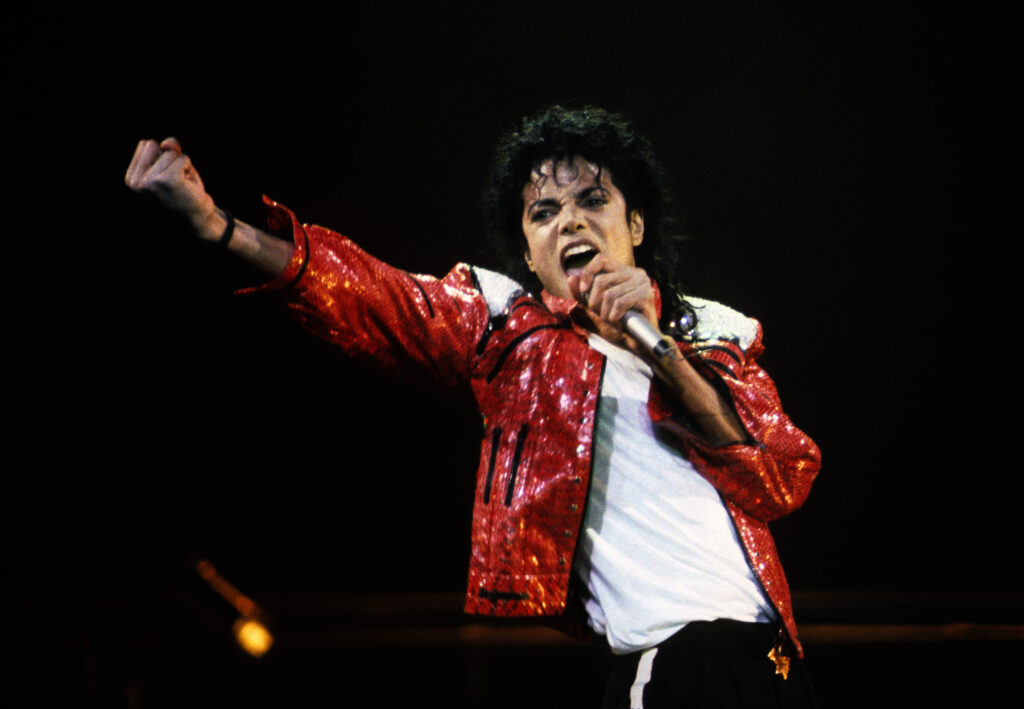
Michael Jackson rewrote the rules of music ownership in 1985 when he paid $47.5 million for the ATV Music Publishing catalog, outmaneuvering competitors to gain control of hundreds of songs, including many of The Beatles’ most valuable compositions, Billboard reported.
Despite Jackson undermining his musical collaborator, Paul McCartney, to secure the deal, the purchase became one of the biggest catalog takeovers in entertainment history. It later helped drive a landmark partnership with Sony.
Prince

Prince turned a contract dispute into one of the most famous acts of artist resistance ever. Locked in a battle with Warner Bros. over ownership of his recordings and creative output, he abandoned his stage name, switching it to an unpronounceable symbol and even appearing publicly with the word “SLAVE” written across his face, according to The Guardian, a move which deliberately challenged the label’s marketing strategy.
Years later, his fight for control would become a blueprint for artists seeking ownership of their work.
Ray Charles

Decades before modern artists fought for their masters, Ray Charles drew the blueprint, we previously told you. During his 1959 negotiations with ABC-Paramount, the music pioneer secured a landmark deal ensuring the ownership of his master recordings would revert back to him after a specified timeframe. At a time when record companies routinely controlled artists’ catalogs indefinitely, Charles established a model that generations of performers would later seek to emulate.
He later built his own companies, including publishing, management and record-label operations, expanded his audience across racial and musical boundaries, and invested in assets such as a recording studio. By controlling his music, image and business interests, Charles created a model of artist ownership that helped build a fortune estimated at about $100 million by his death in 2004.
Rihanna

Rihanna quietly executed one of the industry’s most significant ownership moves after completing her contract with Def Jam Recordings in 2014, Vogue reported.
Through contractual provisions and strategic business planning, she gained control of her master recordings and launched Westbury Road Entertainment under Roc Nation. It’s this move that allowed her to release the iconic “Anti” album in 2016 and position herself to benefit directly from her lengthy catalog.
Master P

Master P built his empire by avoiding the traditional path altogether. During the 1990s, the New Orleans entrepreneur negotiated an extraordinary distribution agreement with Priority Records that reportedly allowed him to retain 85% of profits while maintaining ownership of his recordings, Maekan reported.
The deal transformed No Limit Records into one of hip-hop’s most successful independent operations.
Lil Bibby

Chicago rapper Lil Bibby made one of the music industry’s smartest pivots after recognizing long-term wealth often comes from ownership, not fame. He was building a promising rap career in the 2010s, but Bibby shifted his focus to business, co-founding Grade A Productions in 2017, XXL Magazine reported. Rather than chasing chart success for himself, Bibby invested in developing new talent, most notably Juice WRLD.
When Juice WRLD became a global streaming phenomenon, Bibby’s role as an executive, manager and label co-founder proved far more profitable and influential than remaining solely an artist. His strategy transformed him from just a rapper into a music-industry power player. So after escaping gang life in Chicago, Bibby outsmarted the music industry and paved his own lane.
Chance the Rapper

Chance the Rapper challenged long-held assumptions about commercial success. Refusing to sign a major-label contract or sell his music conventionally, he released “Coloring Book” through streaming platforms in 2016.
The project’s success helped prompt changes to Grammy eligibility rules, making him the first artist to win a Grammy for a streaming-exclusive release, Billboard reported.
Nipsey Hussle

Nipsey Hussle embraced scarcity in an era dominated by free digital access. In 2013, he only released 1,000 physical copies of his mixtape “Crenshaw,” priced each at $100.
The strategy, dubbed “Proud to Pay,” generated headlines across the industry and demonstrated the value of cultivating a deeply invested fan base.
Beyoncé

Beyoncé stunned the music business in December 2013 when she released her self-titled visual album without advance notice, promotion or a traditional marketing campaign. The surprise launch became an instant cultural phenomenon and helped accelerate broader industry shifts toward unconventional release strategies, NPR reported.
Frank Ocean

Frank Ocean executed one of the most closely studied contract maneuvers in modern music. After delivering the visual album “Endless” to satisfy obligations to Def Jam, he released “Blonde” independently less than a day later, Complex reported. The move allowed him to regain greater control over his work while retaining a significantly larger share of revenue.
Kendrick Lamar

Kendrick Lamar demonstrated a different form of leverage: cultural influence. Rather than tailoring his music to prevailing commercial trends, he built a career around ambitious, socially conscious and deeply layered projects. His 2018 Pulitzer Prize for Music marked a historic moment for hip-hop and underscored the power of artistic independence within the mainstream, NPR reported.
Drake

Unlike Lamar, Drake helped define the streaming era by fusing hip-hop, R&B and international influences into a global commercial formula. His approach transformed streaming platforms into engines of worldwide reach, establishing a model that many artists and labels later sought to replicate.
Nile Rodgers

Nile Rodgers fought battles not on stage but in boardrooms and accounting offices. The Chic co-founder and acclaimed producer became a vocal advocate for royalty transparency, using audits and contractual scrutiny to challenge major labels over unpaid earnings, the BBC reported. His efforts exposed financial discrepancies and highlighted the importance of artists understanding the business mechanisms behind their success.
“We don’t even know what a stream is worth,” Rodgers said in 2020, adding “there’s no way you can find out,” because of shady non-disclosure agreements (NDAs) between record labels and streaming services. “We must have transparency.”