
Why the Supreme Court’s War on the Voting Rights is a Debt Our Children Shouldn’t Have to Pay
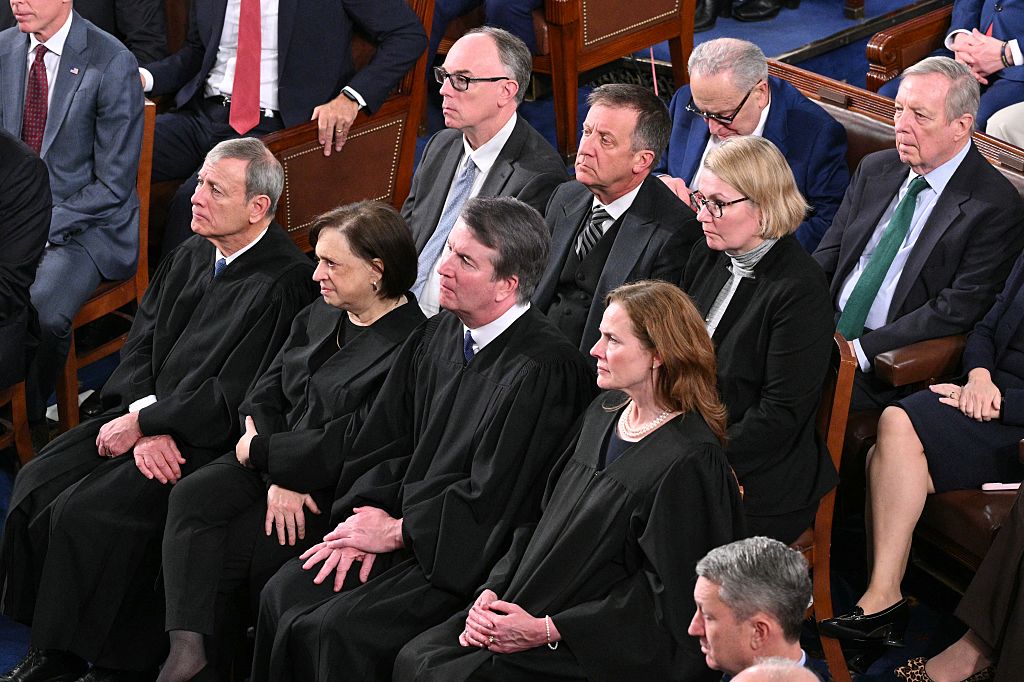
Days after the Supreme Court allowed Texas’ 2025 racially discriminatory redistricting plan to stand, I suspected the Callais decision might follow shortly thereafter. The clock struck 10:00AM on April 29, and within moments, the Supreme Court’s Callais decision was published on its website for all the world to see.
It was Justice Kagan who wrote on behalf of fellow dissenters, Justices Brown-Jackson and Sotomayer, and that gave a clear indication that the opinion was not in favor of full voting rights for all. My breath froze. I then scrolled to see Justice Alito’s name as the opinion’s author, which provided no solace as I read his opening sentence which announced, Section 2 of the Voting Rights Act “was designed to enforce the Constitution — not collide with it.” This decision would reverberate not just throughout Louisiana but across the entire country.

By now we all know the voting rights for which so many fought, bled, and died were gutted by last week’s Callais decision. Although the majority claims Section 2 of the Voting Rights Act still stands, in operation it now doesn’t. If the majority thinks we believe racism is a thing of the past, if the majority thinks we believe it’s easy to prove intentional discrimination in the age of high tech and procedural tactics that keep evil doers’ motivations hidden, if the majority believes we think this Louisiana case was about the state’s partisan politics and not race, think again. What has remained constant since Reconstruction until now are nefarious changes to voting that disempower Black voters. So, no, district lines should not be drawn in ways that block Black voters from electing candidates of their choice simply because a state claims its decision is based on partisan politics. It has been and presently is all about race.
The ruling was not a surprise to many of us. The demise of rights for Black and Brown communities has been playing out in real time before our eyes with unchecked killings by federal agents, federal civil rights offices turning blind eyes to discrimination complaints, and federal and private industry jobs held by Black people being cut left and right.

But this is our time. We must register people to vote, ensure our voter registrations remain valid and are not purged, vote early and spread the word, volunteer at the polls through LDF or become a poll worker, hold all elected officials accountable, support the federal John R. Lewis Voting Rights Advancement Act, engage in state redistricting hearings and voice opinions on the record, advocate for the introduction and passage of State Voting Rights Acts like the one recently enacted in Maryland, be open to conversations about alternative voting methods like those used since the 1980s by LDF as remedies for racial discrimination, and teach Black history like that included in LDF’s Thurgood Marshall Institute’s archives.
It is time for us to take up the mantle like Frederick Douglass, Sojourner Truth, Ida B. Wells, Pauli Murray, Fannie Lou Hamer, John Lewis, Bayard Rustin, Thurgood Marshall, and Constance Baker Motley as we envision an even more inclusive democracy than we have had these last 61 years and advocate on all fronts (federal, state and local) as if our lives depend on it…because they do.

We may not live to see the fruit of our labor. But Generation Beta, those born between 2025 through 2039, or their offspring may. And I say, just like the foot soldiers of the 1960s did, they are worth it. — Demetria McCain, Director of Policy at the Legal Defense Fund