
Why Gen Z Is Walking Away From High Concert Prices
There is something deeply unserious about needing a financial plan, high-speed Wi-Fi and divine intervention to see your favorite artist perform live. But in this day and age, concert culture has become quite the paradox… And Gen- Z is fed up.
They want us to support artists, stream their music and buy merchandise. But when it is finally time to show up in person, the cost of admission can make us feel like we were never the intended audience in the first place. In an economy where young people are already choosing between rent, groceries, student loan payments and having a social life, a $200 concert ticket is not just a splurge. It is a decision with serious consequences.
Admittedly, 2026 has truly been a year for concerts for me. I’ve seen 34 artists already and am still getting my tour outfit ready for Stevie Wonder– and others— this fall! Although I’m clearly dedicated to this concert lifestyle, I still had to fight tooth and nail to scoop tickets, waiting in online ticket queues with thousands of other fans for the mere chance of seeing my favorites from the nosebleeds.
It’s becoming a humiliation ritual at this point. On top of that, the live music industry seems to have forgotten that being a fan does not automatically mean having money.
Concert ticket prices have increased more than 41 percent since January 2016, according to Bureau of Labor Statistics data reported by Axios. Then you have to add service fees, transportation, parking, insurance and overpriced concessions. Quickly, what was supposed to be one night of enjoyment becomes a financial burden that many young folks can’t afford. We are not talking about luxury vacations. We are talking about standing in a crowd, singing songs we already know by heart.
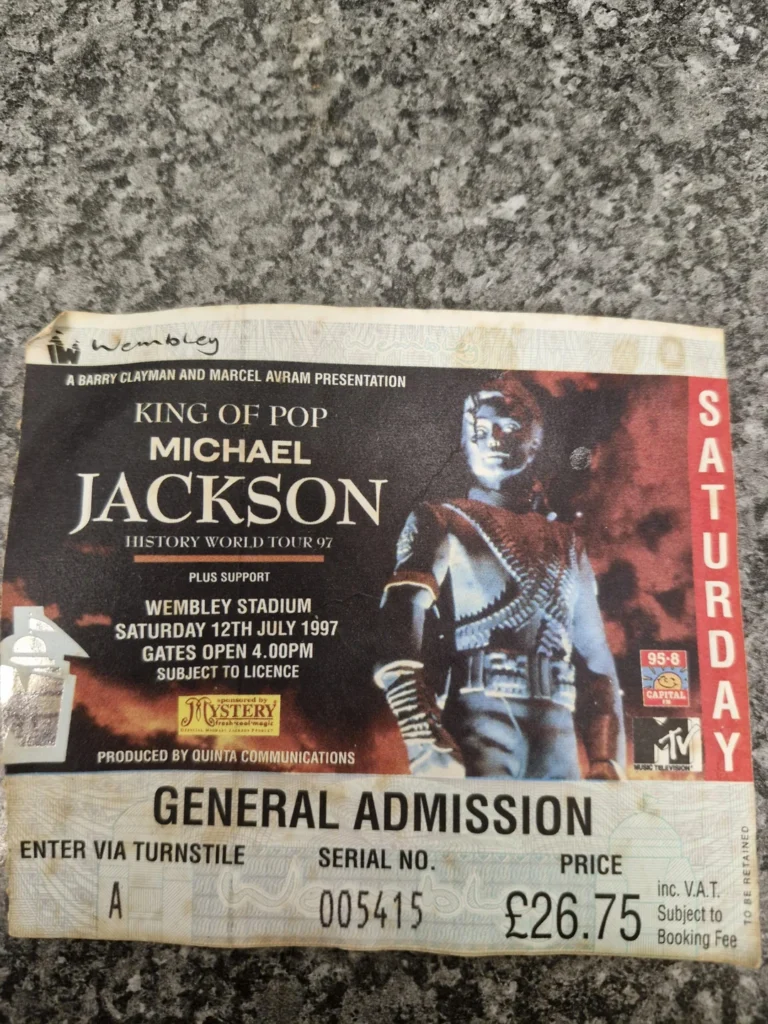
There was a time when buying concert tickets meant going to the box office, speaking to an actual person and walking away with a ticket in hand. You could see Michael Jackson during his prime for $30. Now? Forget about it.

There used to be a straightforward transaction, making the experience personal. Sure, previous generations faced sold-out shows and expensive seats, but today’s digital ticketing landscape introduces a different obstacle: competing against technology designed to move faster than humans.
Ticketmaster has become synonymous with the frustration of online ticket sales, where dynamic pricing, excessive fees and endless virtual queues can turn excitement into resentment. Then enters the AI-powered bots, scooping up tickets for resale before genuine fans even reach checkout. British singer RAYE has spoken out about bots affecting access to her Royal Albert Hall performances.
Meanwhile, the consequences of this complicated touring economy extend beyond the consumer. Atlanta rapper Deante Hitchcock has expressed concerns about low ticket sales, while Ravyn Lenae and 6lack canceled their planned solo tours despite dropping two of the best modern R&B projects this year. Although these situations have their own circumstances, one thing is clear: artists need audiences, but the systems connecting them to fans make that difficult.
Humiliation ritual complete
pic.twitter.com/EG0RsFZeQv
— Deante’ Hitchcock (@DeanteVH) October 14, 2026
That is the real issue. The industry is making it harder for fans to attend concerts while artists are still expected to fill venues. Everyone is being asked to participate in a system that does not always serve them.
And before you think to make this a generational issue– Gen Z is not disengaged. We are streaming the albums, learning the lyrics, creating the viral moments and building the online communities that keep artists relevant. But cultural investment does not always translate into purchasing power, especially when basic living expenses take priority.
The solution is not complicated in principle. Ticketing platforms must offer greater pricing transparency, strengthen protections against bots and make it harder for resellers to exploit demand. Artists and promoters also deserve more control over how tickets reach their audiences.
Because if the people who love the music most cannot afford to experience it, who exactly are these concerts for?