
The Roots Picnic Forgot What Made It Special
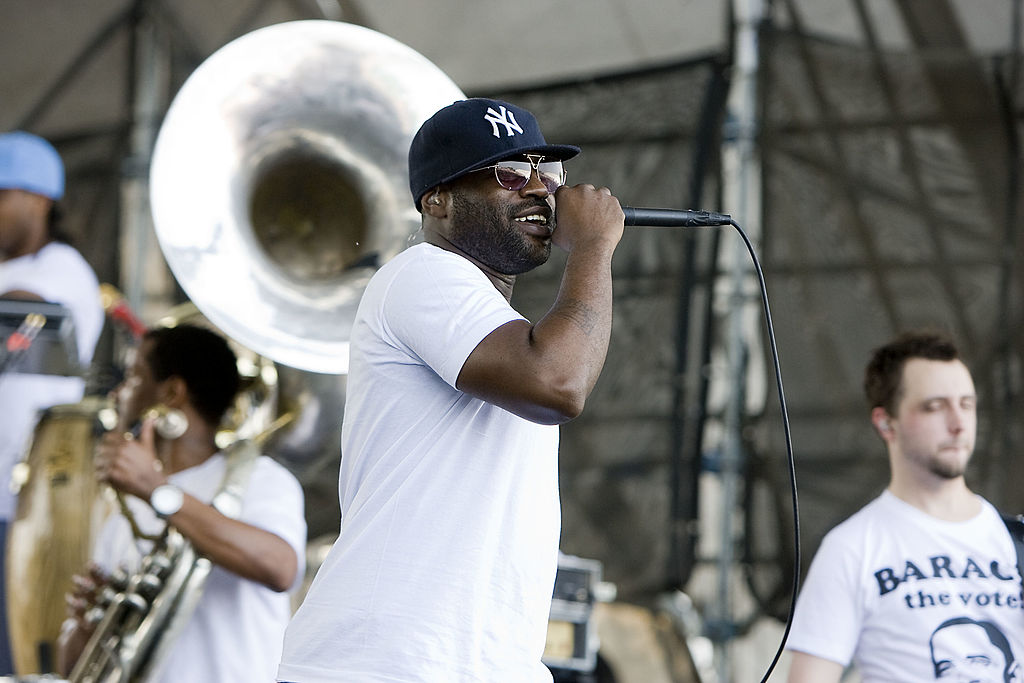
There was a time when the Roots Picnic felt less like a music festival and more like a cookout. It was soulful, weird, creative, and undeniably Black. You came for the music, but you stayed for the vibes.
Quick question. What happened?
When it began, the festival felt curated with care by people who loved the culture. Now it feels corporatized, more like an opportunity for brands to make money than a celebration of Black music and culture. Let’s look at the origins of the Picnic, when things went left, and how to save it before it’s too late.
Origins

The Roots Picnic began in 2008 as an extension of what The Roots had always represented: live music, experimentation, and Black cultural creativity. The festival was founded by the Philly hip hop group alongside their co manager, Shawn Gee. Core members Tariq Trotter (Ya’ll know him as Black Thought) and Ahmir Thompson (the big afro having, Oscar winning documentarian we know and love as Questlove) made sure the event featured high profile talent while still feeling like a Black family reunion.
Everything changed in 2017. They did not exactly sell out, but they also did not not sell out. Let me explain.
What Went Wrong
The reason things changed makes sense. The Roots spent most of the year traveling and performing at festivals around the world, so Gee, Questlove, and Black Thought had a bright idea: why not create a major music festival in their hometown?
The city already had an abundance of musical talent. Jill Scott, Boyz II Men, The Roots, and Eve all came from Philly, so the idea made perfect sense. In 2017, they partnered with Live Nation to help expand the festival. But once corporate money entered the picture, the vibe started to shift.
The Picnic stopped feeling like a carefully curated cultural experience and started feeling like a product. Bigger stages and larger crowds came at the expense of intimacy and community. The festival became more focused on ticket sales and celebrity appearances than musical discovery and cultural connection. By trying to compete with national festivals, they slowly lost the thing that made the Picnic special. As it got bigger, the experience got worse.
People started complaining about overcrowding, confusing layouts, and hours long waits just to get inside. What once felt relaxed and communal now felt stressful and chaotic.
The lineup philosophy changed too. Earlier Roots Picnics balanced legendary artists, underground talent and neo soul acts in ways that felt thoughtful. Over time, the festival leaned harder into mainstream stars, viral moments, and social media appeal. The goal no longer seemed to be building a cultural experience. It became about creating buzz.
That is what went wrong. Now, how do you fix it? Honestly, I think there is one simple answer. And it is so obvious that I am almost afraid to say it.
Get Back To The Music
You can’t put a genie back in the bottle. And honestly, I do not want to take any money out of these brothers’ pockets. You cannot get rid of the crowds. And I am not saying they should end the partnership with Live Nation. That ship has sailed. But one thing they can do is return to the musical roots of the Picnic.
Before the massive crowds and the obsession with social media moments, the Picnic was about one thing: the music. They booked Kid Cudi before he became a household name and DJ Mustard before Kendrick was yelling his name on tracks. You could see blues men like Gary Clark Jr. alongside experimental bands like Vampire Weekend.
They curated a vibe. Now it is all mainstream. The lineups are not as eclectic anymore. It’s Glorilla, Lil Wayne, and Jay Z. And I love them, but they are not what made the picnic special. Getting back to that—getting back to the music—is one way to reclaim the soul of the event.

The Picnic should not feel like it needs to compete with Coachella or Rolling Loud because it was never designed to. It just needs to feel like itself again. People fell in love with the festival because it introduced them to artists, sounds, and experiences they could not get anywhere else. That is the magic they need to bring back.