
How 8 Plantation Tours Handle the Truth of Slavery
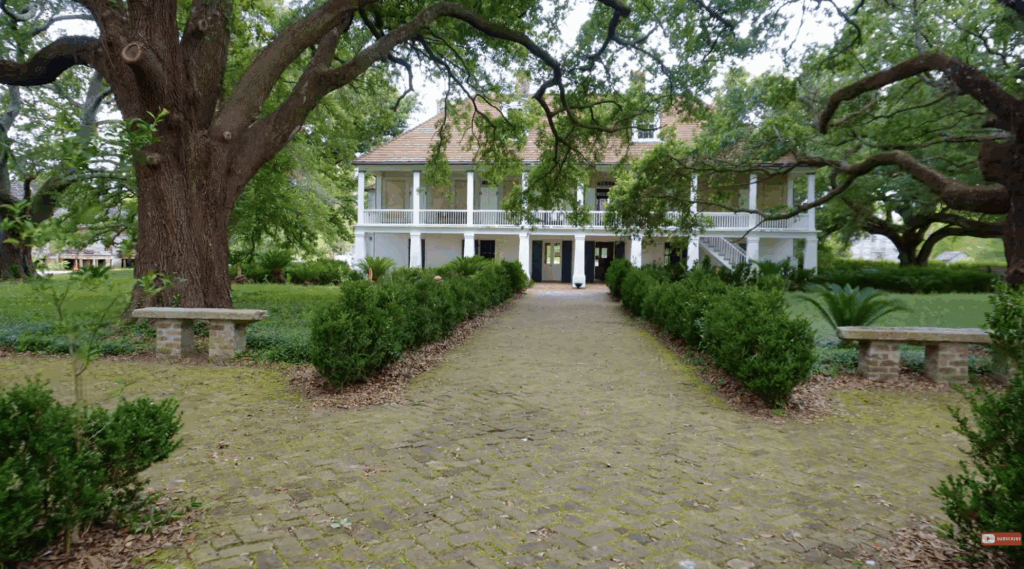
As the United States approaches its 250th anniversary, confronting American history requires remembering the enslaved Black Americans who physically and economically built this nation. While plantation tours can be powerful tools for understanding the horrifying realities of slavery, not all historic sites treat the past with the same honesty. Tracking visitor reviews, online ratings, community word-of-mouth and The Root’s editor analyzed which locations offer an unvarnished look at Black American history—and which ones still gloss over slavery to sell a romanticized fantasy of the antebellum South.
Whitney Plantation, Louisiana

On the 200 manicured acres of the Whitney Plantation stands the pristine white main house, built with the blood and sweat of enslaved Black Americans, but the luxury lives of the White masters are not the focus at Whitney at all. Instead, this is a museum where history looks you right in the eye. When John Cummings, the museum’s White founder, bought the property in 1999 and restored it, he knew the injustice against Black Americans needed to be the focus, and he did so by ensuring Black folks were included in every aspect of the museum’s construction, per its website.
Slavery Exhibits At Whitney Plantation

Sculptures of enslaved African American children and adults sit on the deck of preserved slave quarters, where you’ll grasp the vast difference in size and quality between the gorgeous main house where White masters lived and the sheds Black folks were pushed into. Visitors to the museum can take self-guided tours, but the descendants of the enslaved Americans who work there can answer every question you can think of.
Online, Whitney has over a thousand five-star ratings and has been praised for the detailed, emotional, and respectful account of the lives of the enslaved, honoring them for all they endured.
Related: Ingenious Stories of Daring Slave Escapes That Will Make You Proud to Be Black
Monticello Plantation, Virginia

Monticello Plantation is a UNESCO World Heritage Site that was once owned by the founding father and third president of the United States, Thomas Jefferson. Its website boasts a mission to preserve and educate tourists who walk through the museum doors. Still, while the grand main house, built by skilled enslaved bricklayers and carpenters, stands today, the slave quarters have been recreated and don’t appear to be the main focus at Monticello.
Slavery Exhibitions At Monticello

However, the Monticello Plantation does offer tours about slavery on the property and encourages visitors to examine the contradictory fact that Thomas Jefferson owned enslaved people while also condemning slavery. Online, reviews are a mixed bag, with some visitors noting the slave tours felt more like “reading about history than experiencing it.” Others added that they were “eye-opening” and informative.
Historic Stagville Plantation, North Carolina

Stagville in Durham was once the largest plantation in North Carolina, with more than 1,200 enslaved people working on the property and 30,000 acres, according to the Stagville website. Now, with 165 acres of land preserved, it stands as a “memorial to the enslaved,” according to online reviews. This property will teach you history through the eyes of the enslaved, not from the viewpoint of the White masters who lived comfortably on their abuse.
Exhibitions At Stagville Plantation

Preserved by the descendants of the enslaved, some of the quarters at Stagville still stand along a dirt road far from the main house, showing visitors the journey the enslaved Black people had to make from their tiny living quarters to the much grander homes where their White masters lived. Stagville teaches visitors not only about slavery but also about emancipation, giving a full overview of the heartbreaking truth of Black American history.
Natchez Pilgrimage Plantation Tours, Mississippi

The Natchez Pilgrimage tours in Mississippi have long been criticized for their glamorous portrayal of the South’s antebellum era and their glossing over the enslaved African Americans who had to suffer through it. And for creating a Southern fantasy for White tourists to live in. Unfortunately, that remains the heart of Natchez Pilgrimage tours.
Longwood Plantation, Mississippi

Visit Longwood Plantation in Natchez, for example, and you’ll get a wealth of information about its architect, Samuel Sloan, and owner, Haller Nutt, but no mention of the skilled enslaved Black Americans who actually laid down the foundations of the home and worked under the beating sun to create its jaw-dropping structure.
An online review pointed out, “It was told to us several times who the house was purchased by or given to, but not once was it mentioned who built the house & why.” While there are mentions of the slave quarters on the property, the truth of slavery is the backdrop of Natchez rather than important history.
Oak Alley Plantation, Louisiana

Oak Alley Plantation in Louisiana has a database to learn information about the enslaved Black Americans who worked on its property, and exhibitions of the slave quarters remain intact for tourists to take self-guided tours. But based on online reviews, Oak Alley’s focus seems to be on the main house and the lives of the White folks who inhabited it. On its website, the museum highlights its guided visit to the “big house,” with reserved time slots required for the tour, a contrast to its leisurely, self-paced slavery tours.
Exhibitions At Oak Alley Plantation

On Tripadvisor, one tourist, who left a five-star review, wrote, “This tour focuses on the actual plantation property and the families that owned the property. You have time before and after to tour the beautiful grounds.” And another visitor, who left a one-star review, stated that they didn’t get a detailed look into slavery, but instead “a watered-down run-through of the family that owned the land, their personal interests, their parties, and their family histories.”
While Oak Alley has archaeological collections of shackles attached to enslaved African Americans and digital databases of those who lived on the property, its emphasis isn’t as focused on the enslaved people as museums such as Whitney Plantation.
Aiken-Rhett House, South Carolina

Different from the majority of Plantations that are surrounded by large areas of land, the Aiken-Rhett House was an urban antebellum home, and enslaved African Americans lived in close quarters to their White enslavers. The home is preserved in its original structure as much as possible, including the slave quarters, so tourists can get a clear view of the widely contrasting ways the masters lived compared to the enslaved people, according to its website.
Aiken-Rhett House Exhibitions

Online reviews note that the tours of the Aiken-Rhett House widened their eyes to the poverty that African Americans lived in while their White masters lived in opulence just a few steps away. On Tripadvisor, one tourist wrote that learning that Black children died of malnutrition “casts a new light” on the truth of how the enslaved were mistreated in the home.
Melrose Plantation, Louisiana

Melrose Plantation is unique because it was owned by Louis Metoyer, who was deeded land by his father and mother’s former master, Claude Thomas Pierre Metoyer. With his mom and brothers, they built a thriving community for free Black Americans who would go on to build businesses, own plantations, and even own enslaved people, according to its website.
Exhibitions At Melrose Plantation

Melrose Plantation’s guided tour focuses on the story of Clementine Hunter, who worked as a sharecropper on the property at age 12 and later became a renowned artist there. She created murals depicting the lives of enslaved people at Melrose. These paintings can be found at the African House, one of the former slave quarters. Online reviews note that tour guides are full of information and give a detailed look into Hunter’s life, and that the site is well-preserved and cared for.
McLeod Plantation, South Carolina

At the McLeod Plantation in Charleston, South Carolina, tourists can see and learn about the impressive main family home, but most importantly, the history of the enslaved people who were forced to maintain the immaculate property. According to its website, McLeod stands as a Gullah Geechee heritage site, chronicling how enslaved Black Americans created their own culture despite what they had to suffer, and that culture continues to live and breathe today.
Exhibitions At McLeod Plantation

Online reviews praise McLeod for preserving the historic site and for its tour guides, some of whom are descendants of the enslaved, for their extensive knowledge of Gullah Geechee history and for speaking entirely from the perspective of enslaved people, without romanticizing the antebellum era. While the true stories of African Americans at McLeod are heartbreaking, they are not shied away from.