
Black Lesbian Trailblazers Who Refused to Stay in the Margins
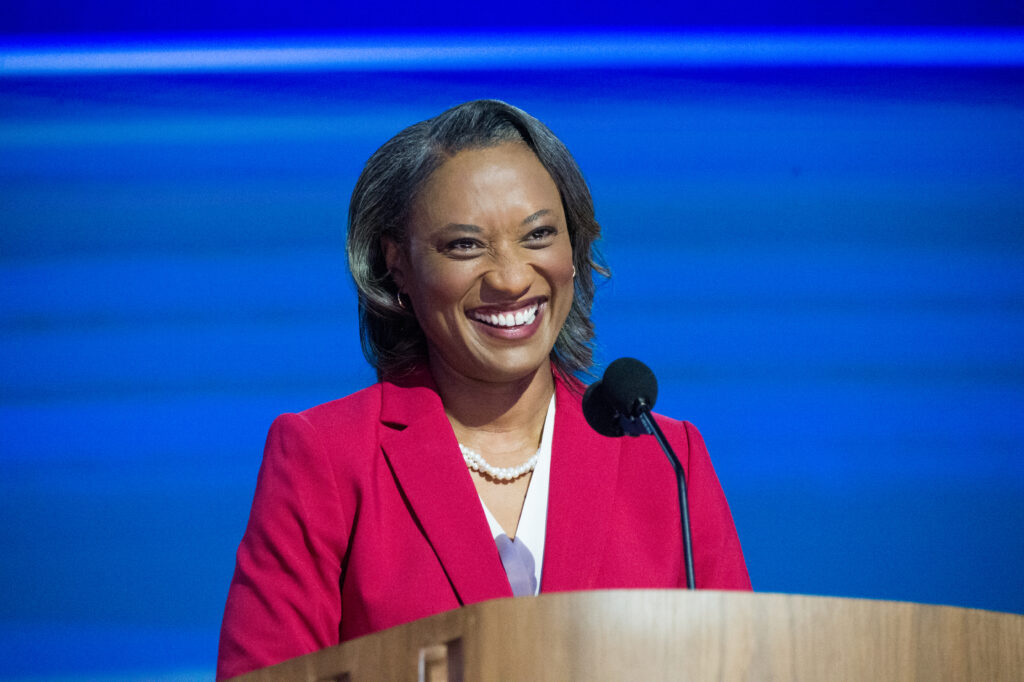
Black women have always been at the center of movements– even when history did not give them the credit they deserved. For many Black LGBTQ+ changemakers, the intersectionality of race and sexuality often makes those barriers even greater. That’s why The Root is recognizing Black lesbian leaders who disrupted politics, activism and the status quo by showing up fully as themselves, 100% of the time.
Women like Barbara Smith and Stormé DeLarverie turned identity into power, while others like Lori Lightfoot, Laphonza Butler and Karine Jean-Pierre wielded their visibility into political action. In recognition of International Lesbian Day in October, we celebrate these disrupters, activists, artists and politicians whose courage helped expand what leadership can look like, and whose legacies continue to make the world a little more possible for those coming next.
Laphonza Butler

Laphonza Butler has built a career at the intersection of politics, labor, and social justice. In 2023, she became California’s first openly LGBTQ+ Black senator and the first openly lesbian Black senator in Congress. As an abortion rights activist and labor organizer, Butler changed the game for what visibility can be for Black queer women in national politics. Her appointment and eventual election also came during a notable rise in LGBTQ+ political leadership nationwide.
Audre Lorde

Audre Lorde used her poetry as a powerful method for social change. A self-described Black lesbian, feminist, mother, warrior and poet, the “Zami” author challenged racism, sexism, homophobia and class inequality with her pen. Lorde’s writing helped encourage marginalized communities to embrace their identities and speak against systems of oppression.
RELATED: The Findings Of Lori Lightfoot’s Probe into “Super Mayor” Tiffany Henyard Are Shocking
Lori Lightfoot

In 2019, Lori Lightfoot made history as Chicago’s first Black woman and first openly gay mayor. Her election represented a significant moment for both Black and LGBTQ+ political representation. Though she only served one term, Lightfoot has focused on public service, government accountability and reform throughout her career.
Park Cannon
Park Cannon has become a prominent voice for progressive politics in Georgia. An openly queer Black woman, Cannon has advocated for reproductive freedom, LGBTQ+ equality, racial justice and voting rights. Her presence in Southern politics challenges longstanding assumptions about who can lead and whose voices deserve to be heard.
Sherry D. Harris

Sherry D. Harris broke new ground in 1991 when she became the first openly lesbian Black American elected official in a major city. Her election to Seattle’s City Council demonstrated the growing political power of Black LGBTQ+ communities and helped create greater visibility for queer people in public office.
Barbara Smith

We can’t talk about trailblazing Black women without mentioning Barbara Smith. A foundational figure in Black feminist activism and co-founder of the Combahee River Collective, Smith helped develop ideas about the interconnected nature of racism, sexism, class oppression and homophobia. Her scholarship and organizing continue to influence feminist and LGBTQ+ movements today.
Karine Jean-Pierre

Karine Jean-Pierre made history in 2022 as the first openly gay person and first Black woman to serve as White House press secretary. Her position placed a Black queer woman at the center of national political communication, creating an important milestone for representation in the federal government.
Stormé DeLarverie

Stormé DeLarverie was a Black lesbian performer, community protector and influential figure in LGBTQ+ history. Known for her presence in New York’s lesbian nightlife, DeLarverie is often cited as having delivered the first punch that sparked the Stonewall uprising. Her legacy reflects the courage and community defense that shaped early queer liberation movements.
La’Tasha Mayes
La’Tasha Mayes is a Pennsylvania legislator and longtime advocate for reproductive justice. As an openly queer Black woman, she brings an intersectional perspective to issues involving healthcare, racial equity, LGBTQ+ rights and economic justice.
Barbara Jordan

Barbara Jordan was a pioneering Black congresswoman from Texas whose powerful speeches and commitment to constitutional principles established her as a major political figure. Although she did not publicly identify as a lesbian, according to Business Insider, historians have documented her long-term relationship with Nancy Earl, adding another dimension to her legacy.
Rev. Delores Jackson

Rev. Delores Jackson represents the important connection between Black faith traditions and LGBTQ+ activism. As a Black lesbian religious leader, she has worked to create greater inclusion within faith communities while advocating for LGBTQ+ equality. She founded Salsa Soul Sisters, the oldest Black lesbian womanist organization in America. Her leadership challenges the idea that religious identity and queer identity are incompatible.
Lorraine Hansberry

Lorraine Hansberry was a groundbreaking playwright, intellectual and activist whose work transformed representations of Black life in American theater. Best known for “A Raisin in the Sun,” she also explored race, gender, class, and sexuality. Her relatively short life produced a lasting influence on Black feminist and queer thought.
Simone Bell
Simone Bell brought the experiences of a Black lesbian woman into Georgia’s state legislature. As a representative and activist, she advocated for LGBTQ+ equality, reproductive justice and racial equity. Her political career demonstrated the importance of representation from communities historically excluded from Southern political institutions.