
13 Classic ‘A Different World’ Episodes to Watch Before You Dive Into the Reboot
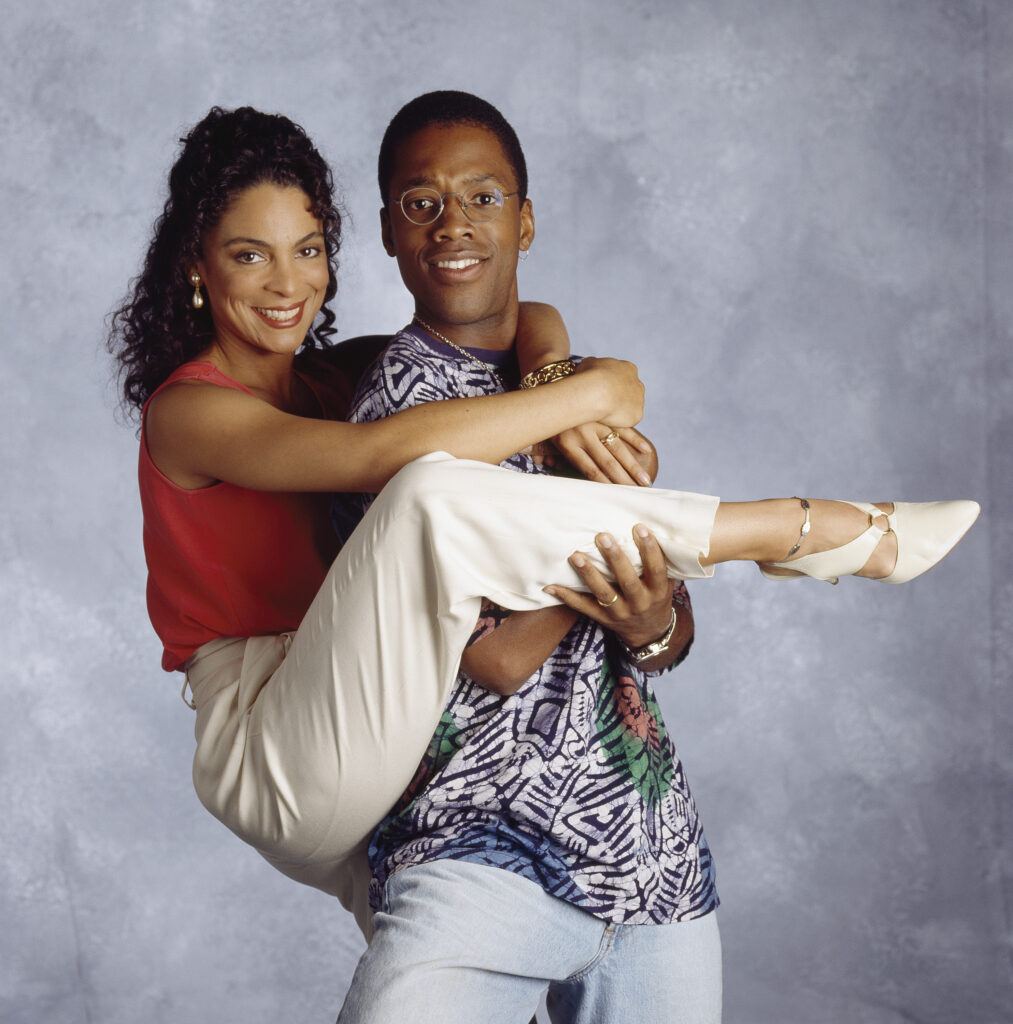
Nearly 40 years after we first got accepted into Hillman College, “A Different World” is opening its doors again. Netflix’s continuation arrives Sept. 24, this time following Deborah Wayne, the youngest daughter of Dwayne Wayne and Whitley Gilbert, as she tries to make a name for herself outside of her parents’ legendary Hillman legacy. And while a new generation is taking over the dorms, plenty of familiar faces are coming home too, including Jasmine Guy, Kadeem Hardison, Cree Summer, Darryl M. Bell, Charnele Brown, Dawnn Lewis, Glynn Turman, Jada Pinkett Smith and Jenifer Lewis.
But, before we dive into the next gen’s lives and how it looks like in 2026, it’s worth remembering why the original became so important in the first place. “A Different World” gave us romance, friendships, step shows and enough Dwayne-and-Whitley drama to last several lifetimes, but it also trusted young Black viewers with real conversations from HIV and AIDS, colorism, date rape, domestic violence, and more.
The show understood that being young, Black and in college didn’t mean the world stopped happening around you. So before class is officially back in session, here are 13 episodes worth revisiting because they challenged us, they changed television, and you simply cannot talk about Hillman without them.
“No Means No” — Season 2, Episode 20
Long before conversations around consent became commonplace on television, “A Different World” confronted date rape head-on. Freddie begins dating Hillman baseball star Garth Parks, but Dwayne grows concerned after hearing Garth describe a troubling encounter with another woman. What follows is one of the show’s earliest examples of taking a serious issue and refusing to hide it underneath the sitcom format.
The episode is especially worth revisiting now because the conversation hasn’t aged into irrelevance. The language around consent may have evolved, but the questions the episode raises about believing women, recognizing warning signs and understanding that dating someone never equals consent remain painfully current.
“Pride and Prejudice” — Season 3, Episode 14

Whitley Gilbert is accustomed to money, access and getting exactly what she wants, until she walks into a jewelry store and learns that class privilege cannot shield a Black woman from racism.
That’s what makes this episode so effective. Instead of discussing discrimination abstractly, the episode forces one of the show’s most privileged characters to experience the reality that her last name and bank account mean very little to someone who sees her Blackness first.
“A World Alike” — Season 3, Episode 16
When Hillman students organize against apartheid in South Africa, the issue becomes much more complicated after Kim learns the company they’re boycotting is also funding a scholarship she desperately needs.
The episode doesn’t reduce activism to a slogan. It asks what happens when doing what feels morally right comes with an actual personal cost, particularly for a working-class Black student trying to stay in school. With Julian, Freddie, Whitley and Kim approaching the issue from different perspectives, this episode showed just how ambitious this sitcom could be.
“Time Keeps on Slippin’” — Season 4, Episode 9
This one takes on an entirely different meaning now. Freddie and Ron are put in charge of deciding what should go inside Hillman’s 1990 time capsule, forcing the students to think about what their generation will leave behind.
Watching it ahead of a continuation centered on a new Hillman class feels almost too perfect. The students once wondered what future generations would make of their lives and their world. More than three decades later, we’re about to meet that generation.
“War and Peace” — Season 4, Episode 12
“A Different World” took on the Persian Gulf War through the story of a graduate student and Army reservist who is called to serve, forcing the Hillman community to wrestle with patriotism, fear, military service and what war demands from Black Americans.
Instead of turning war into a simple political debate, the episode brings it down to the people who actually have to leave their families and communities behind. It’s another reminder that Hillman was never depicted as a bubble separate from what was happening in the country.
“If I Should Die Before I Wake” — Season 4, Episode 23
This is the HIV episode, and arguably one of the most essential episodes A Different World ever produced.
During a public-speaking class, Josie, played by Tisha Campbell, reveals that she is HIV-positive. Her disclosure exposes just how much misinformation and fear the Hillman students carry about HIV and AIDS, forcing them to confront their assumptions about who can contract the virus and what living with HIV actually looks like. Whitley’s own plans to become sexually active with Dwayne add another layer to the conversation, connecting the national AIDS crisis to the intimate decisions young adults were making every day.
“Mammy Dearest” — Season 5, Episode 11
Few sitcoms then or now would devote an episode to colorism, racist imagery and the complicated question of what it means to reclaim something created to degrade you.
When Whitley includes Mammy imagery in an exhibit honoring Black women, Kim’s reaction becomes deeply personal. The episode allows Kim, a darker-skinned Black woman, to explain the damage those images caused her growing up while Whitley is also forced to confront uncomfortable truths about her own family’s history. More than 30 years later, the discussion around colorism and how Black women are represented in media hasn’t disappeared.
“The Cat’s in the Cradle” — Season 5, Episode 14
A trip to a football game turns ugly when Dwayne and Ron encounter a group of white students and a racist confrontation erupts around Ron’s car.
What makes the episode memorable isn’t only the fight, but it’s the aftermath. Once everyone is detained, the same encounter is retold from radically different perspectives, exposing how racism, perception and bias shape what each person believes happened.
“Bedroom at the Top” — Season 5, Episode 16
Whitley’s professional ambitions collide with workplace sexual harassment after a superior begins making unwanted advances, then turns around and accuses her of harassing him when she rejects him.
Coming months after Anita Hill’s 1991 testimony brought workplace sexual harassment into a national conversation, the storyline explored power, retaliation and how difficult it can be for women to prove misconduct when institutions have already protected the person responsible. It’s another episode that feels disturbingly easy to imagine being written today.
“Love Taps” — Season 5, Episode 22
This episode remains one of the show’s hardest episodes to watch. Gina’s relationship with popular aspiring rapper Dion initially looks exciting from the outside, but her friends slowly realize that he is physically abusing her.
The story shows the excuses, isolation, shame, apologies and manipulation that can make leaving an abusive relationship far more complicated than outsiders understand.
“Save the Best for Last” — Season 5, Episodes 24 & 25
Not every important “A Different World” episode needs to tackle a social crisis. Some become cultural history simply because Black audiences loved them that much.
After seasons of Dwayne and Whitley finding their way toward and away from one another, Whitley’s wedding to Byron gives us the moment, which sees Dwayne interrupting the ceremony and making one final plea for the woman he loves. You already know the rest if you watched the episode and considering the new series literally exists because Dwayne and Whitley eventually built a life and had Deborah, this two-parter is basically required before meeting their daughter.
“Honeymoon in L.A.” — Season 6, Episodes 1 & 2
Dwayne and Whitley finally get their happily-ever-after and almost immediately find themselves in the middle of one of the most consequential moments in modern Los Angeles history.
The Season 6 premiere places their honeymoon against the 1992 Los Angeles uprising following the verdict in the trial of the officers videotaped beating Rodney King. Rather than treating racial unrest as something happening somewhere beyond Hillman, the series puts two of its most beloved characters directly inside it. It’s one of the clearest examples of “A Different World” insisting that a Black sitcom could respond to history while that history was still unfolding.
“Great X-Pectations” — Season 6, Episode 22
One of the show’s final major issue-driven episodes centers on Terrell, who begins carrying a gun after he and Charmaine are threatened. When the gun is discovered at Hillman, his education and future are suddenly on the line.
At the same time, students are working on an assignment imagining the conversation between Martin Luther King Jr. and Malcolm X during their only meeting. The juxtaposition allows the episode to wrestle with masculinity, fear, violence, self-defense and competing ideas about how Black people protect themselves.