
The Story of Sylvester: The Tragic Erasure of Disco’s Most Uncompromising Voice
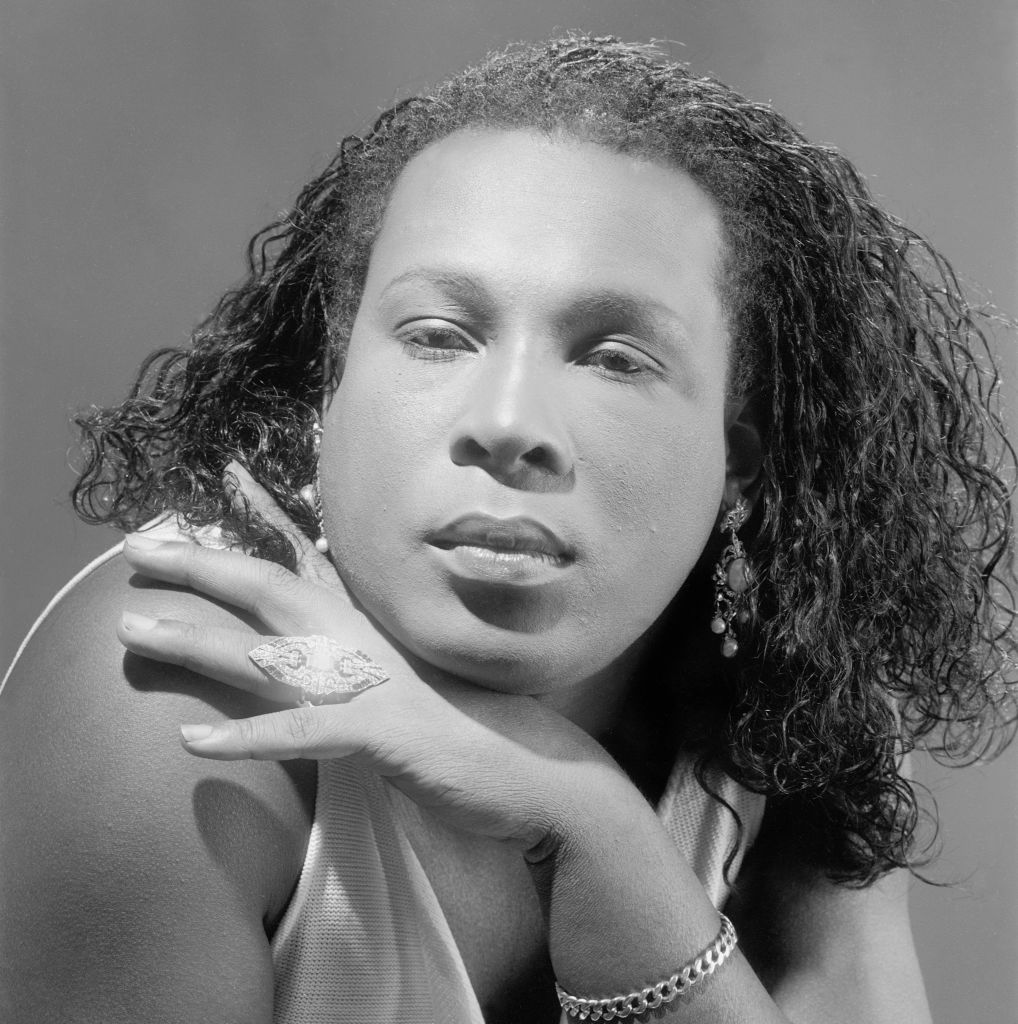
Sylvester was one of the most iconic disco musicians. His hit song “You Make Me Feel (Mighty Real)” is a classic that still gets folks on the dance floor decades after its release.
But while Sylvester had the gift of making everyone feel safe and free, he struggled to find the same protection in his own life. Having been shunned by the communities he grew up in and dropped by record labels, despite being a proven musical success, Sylvester had to knock down barriers and move on his own. He made his own lane that took him to new heights while remaining true to his queer identity. For this Black Music Month and Pride Month, we’re telling you all about Sylvester, one of disco’s most important pioneers.
Early Years

Born on Sept. 6, 1947, in South Central, Los Angeles, Sylvester James was raised primarily by his mother and grandmother, two women who, with their proud sense of style, were the first influences on Sylvester’s personality.
In the Amazon Music documentary “Love Me Like You Should: The Brave and Bold Sylvester,” Sylvester’s sister, Bernadette Baldwin, said, “My grandmother was like his idol. He just loved the way she dressed, the way she carried herself, and that trickled down to my mother, and they accepted him for who he was.”
A Musical Child
Sylvester’s love for music came at an early age. As a young boy, he joined the choir at his local Pentecostal church, which would be his first training ground for developing his iconic falsetto voice. When he was not at church, he was constantly singing at home. He especially loved musicians like Etta James and would sing along to her records with his mom, according to Baldwin.
Rejected By The Church

Despite Sylvester’s love and talent for music, his career in the choir didn’t last long. At 13 years old, he was ostracized from his church for being gay and had to leave the first place that gave him a space to perform. But being rejected from a community didn’t make Sylvester shy away from being himself; instead, he grew bolder.
Never One To Conform

The disco musician was never one to hide his extravagant personality. According to the AIDS Monument, an organization focused on teaching the history of the AIDS epidemic, Sylvester arrived for his high school graduation photo wearing his hair in a beehive and draped in a blue dress.
This was a monumental show of confidence at the time. In addition to the racism he experienced as a Black man, dressing as the opposite gender was cause for arrest in Los Angeles under Rule No. 9, according to the Los Angeles Times. But Sylvester was always unapologetically himself.
Joining The Disquotays
Out of high school, Sylvester joined a Los Angeles-based group of Black drag queens and transgender women called the Disquotays, where he was known by the nickname Dooni. According to The Los Angeles Times, Sylvester was the one other members of the group counted on to do their hair before a night out. He would also attend masquerades and festivals with the group, always adorned in an outfit that was sure to turn heads.
The Move To San Francisco

In 1970, a 22-year-old Sylvester decided to move to San Francisco, where he joined a group of local drag performers, the Cockettes. With the Cockettes, Sylvester performed a solo segment in their shows, inspired by the jazz stylings of legendary artists Josephine Baker and Billie Holiday.
Going Solo
Touring with the Cockettes was still not enough for Sylvester, who wanted a bigger break in the music scene. In 1972, he formed Sylvester and the Hot Band, a group that fused funk and rock music. They released two albums in 1973, “Sylvester and the Hot Band” and “Bazaar,” before disbanding that same year.
On his own again, Sylvester signed a recording deal with Fantasy Records under Harvey Fuqua, an iconic record label executive. Along with his record deal came backup singers Martha Wash and Izora Rhodes, who would go on to become known as The Weather Girls. According to Amazon Music, Wash and Izora were also trained gospel singers. With them, Sylvester could return to his choir vocalist roots while having the freedom he didn’t receive at church.
Becoming The Disco Queen

Under Fantasy Records, Sylvester released his first solo album, “Sylvester,” in 1977. Although the album did well, it was his 1978 album, “Step II,” and his single “You Make Me Feel (Mighty Real)” that catapulted him into the mainstream. Fully embracing the disco scene and captivating audiences with his falsetto tone, Sylvester became known as “The Disco Queen,” a title he proudly embraced.
Sylvester received several accolades thanks to “Step II,” including Billboard’s Best Male Singer award at the magazine’s 1978 Disco Forum. The album was certified gold by the Recording Industry Association of America in 1979. He soon began opening for artists such as Chaka Khan, David Bowie and the Commodores.
Fully Embraced In San Francisco
Since San Francisco was the main queer scene at the time and Sylvester was a larger-than-life member of the culture, he was widely loved in the city and had a huge fanbase. In 1979, still on a high from his ultra-successful album, Sylvester became the first openly gay artist to perform at San Francisco’s War Memorial Opera House. That same night, he was awarded the key to the city by then-Mayor Dianne Feinstein.
Dropped By His Record Label

Despite making strides in the disco scene, Sylvester was dropped by Fantasy Records in 1980. Executives didn’t want a queer, gender-bending man to be the main face of their label. When Sylvester refused to dim his light, they let him go, according to the Los Angeles Times. He then moved to his friend Patrick Cowley’s label, Megatone Records, and recorded four albums.
Used His Platform For Good
Sylvester used his platform to educate people on queer identities and issues while advocating for those who needed it most. He performed at Pride events in San Francisco and London in 1979. Three years later, in 1982, he joined talk show host Joan Rivers and comedian Charles Nelson Reilly for an AIDS fundraiser at Los Angeles’ Studio One nightclub. He also performed multiple benefit concerts and penned his 1983 song, “Trouble in Paradise,” raising awareness about the crisis, per the AIDS Monument.
Showing Up For His Community

In 1987, Sylvester’s partner, Rick Cranmer, died of AIDS. That same year, the Disco Queen was also diagnosed with the disease, and his health quickly declined. By the following year, Sylvester was in the hospital with pneumonia, but he continued to show up for his community.
He appeared at the Gay Freedom Parade in a wheelchair in June 1988. In October, when the Castro Street Fair, an annual LGBTQ+ street festival in San Francisco, declared they were doing a tribute to Sylvester, he still gave press interviews to raise awareness for AIDS, although he was too ill to attend, according to AIDS Monument.
Gone Too Soon

Sylvester passed away in December 1988 at age 41, due to complications from AIDS. His funeral was an open-casket service, and according to the AIDS Monument, the singer requested to be dressed in a red kimono. It was also written in his will that all his future royalties would be given to Project Open Hand and the AIDS Emergency Fund, two AIDS charities that work to spread awareness and help those affected by the disease.
Legacy

Today, Sylvester is celebrated for his iconic dance hits, but during his lifetime, he had to create safe spaces in a world that wasn’t always welcoming. His bravery and unapologetic personality were an inspiration to many, and he continues to be a massive influence. In 2005, 17 years after his death, he was inducted into the Dance Music Hall of Fame.
“Pose” star Billy Porter said in the Amazon Music documentary “Love Me Like You Should: The Brave and Bold Sylvester” that there’ll never be another artist like Sylvester.
“He crossed over. He was a genderfluid Black man in mainstream music. That hasn’t happened since. There have been a lot of us who have tried, and I’ve been trying for 30 years—nobody did it like Sylvester.”