
Professor: Maybe Our Kids Aren’t Wasting Time Looking At Screens
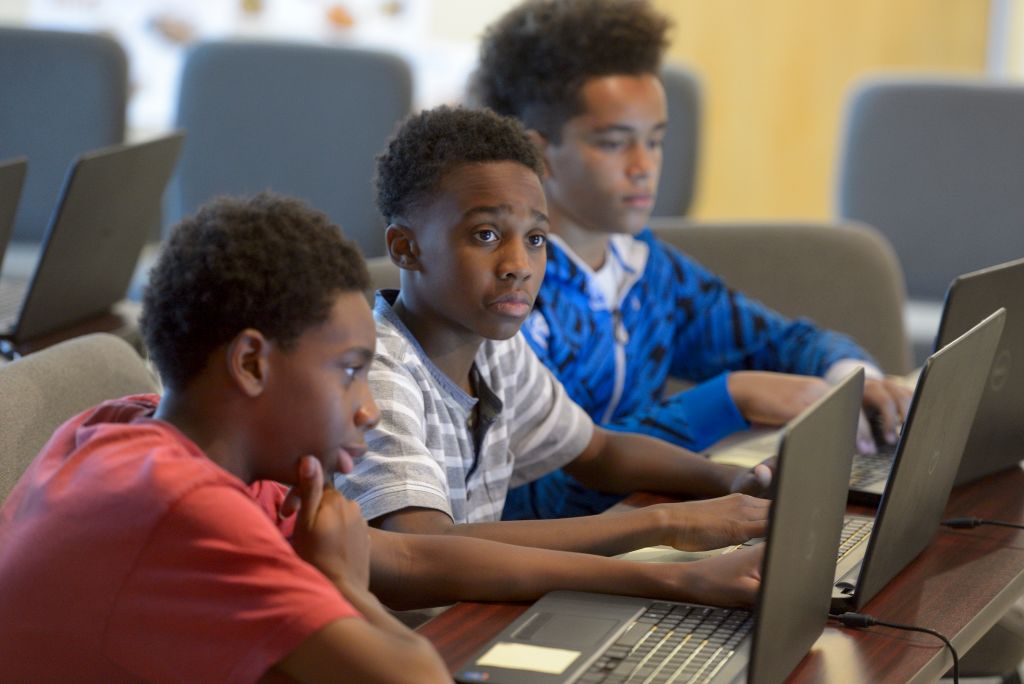
Being a parent in 2026 means you spend 89.3% of your time telling a kid to stop looking at screens. But I have breaking news that might get me jumped at my next PTSA meeting: no matter what we do, kids are going to look at screens. The question is whether they’re mindlessly consuming content or developing valuable skills that could serve them in the workforce long after they put the phones down. Instead of just asking our children to get off their screens, we should be asking them what they’re mastering on them.
All parents want to ensure that their kids are productive. But Black parents feel that pressure acutely. For generations, we have been told that we must be twice as good as white folks to get half of what they accumulate.
So, I get it. Seeing our kids constantly looking at their phones or playing video games can feel like they’re hustling backwards. And you could be right. A kid spending three hours mindlessly scrolling TikTok probably isn’t developing much beyond the ability to keep scrolling. But a kid spending those same three hours building in Minecraft or solving problems in Roblox might be developing spatial reasoning and problem-solving skills. What if we’re so busy preparing our children for the obstacles ahead that we overlook the skills they’re already developing?

Related: Black Fathers Are Building the Communities We Couldn’t Find
The difference isn’t simply which screen they’re looking at. It’s what they’re doing with it. One can be consumption. The other, when nurtured through practice and curiosity, can become mastery.
OK. Let me put my professor hat on for a second…and also talk as a father of three boys. When I say mastery, I’m talking about developing competence through practice. That means learning to solve problems, building skills and figuring out how to do things you couldn’t do before.
Now, not every minute spent gaming accomplishes that. But instead of automatically dismissing gaming or digital creation as wasted time, parents can help children build on those interests. What does that look like in the real world? Well, I’m glad you asked.

I teach at a Tier 1 research university, and nearly every computer science student I’ve taught has been a gamer. Getting to know them, I was surprised by how many credited the video games they played as kids with sparking their interest in coding and design. They didn’t necessarily start out trying to become software developers. They started by playing games they enjoyed. And that enjoyment turned into curiosity about how things worked.
That helped me realize that what parents often dismiss as playtime could be the beginning of a career. The key is recognizing that potential and helping children develop it. According to a study by the National Association of Colleges and Employers, problem-solving skills, technical skills and analytical/quantitative skills are among the top attributes employers look for in potential candidates.
They also put me on to the world of E-sports. Many of my students are getting money in one way or another by playing League of Legends (I’d never heard of it) or Rocket League (I’d heard of it but never played it). Many of them had scholarships from the university to play, you guessed it, video games.
Looking at screens not only helped some of these students discover a career path but it also helped them pay for college. Want to know what many of these students have in common? Their parents nurtured the interests they already had…and they were white.
That got me thinking about Black kids. How many have interests that could lead to careers but never get the chance to develop them because the adults around them see those interests as distractions? How many potential coders, engineers, designers and digital storytellers are we overlooking because we see a screen and assume our children are wasting time?
So, what does nurturing those interests look like? Let me put you on game. Ask your child to show you what they’ve built. Have them explain how they solved a problem or figured out a strategy. If they’re creating videos, ask about the editing. If they’re building worlds, ask how they designed them. Then encourage them to try a more complicated project or help them connect with other kids who have similar interests.

You don’t have to understand everything your kid does when they look at a screen. You just need to be curious enough to discover what they’re learning and encourage them to get better at it. The goal isn’t to raise children who spend every waking minute being productive. It’s to raise children who discover what they’re good at and learn how to get better.
So, before you tell your kid to get off that screen, ask what they’re mastering on it. They might be learning to code. They might be developing the next big game. Or they might just be running around Roblox doing absolutely nothing. But at least ask before you start yelling.