
Is AI Helping or Hurting Black Music? SZA, Flo Milli, and More Speak to The Root
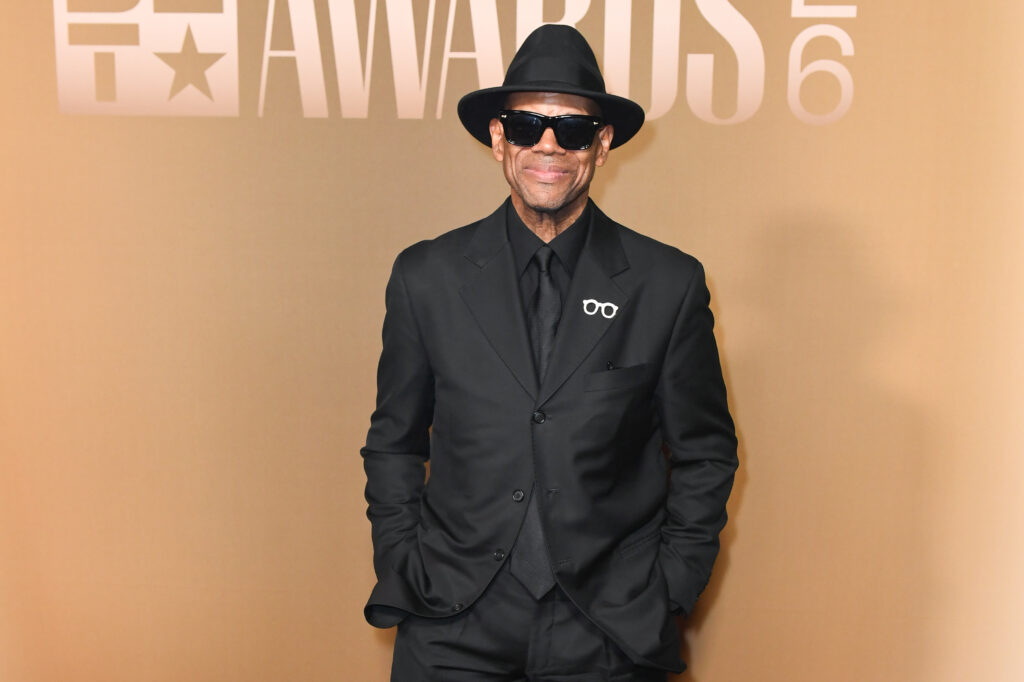
More than a handful of Black artists are speaking out against the use of AI in the music industry and whether or not it can help or hurt folks as it continues to gain popularity. And believe us when we tell you that you just might be surprised at some of their answers!
For a little context, the conversation was sparked recently by SZA, who urged Black artists and creatives to avoid using AI tools and to prevent them from being trained on their sound and artistry. Giving her two cents in a post to her private Instagram, she explained that doing so was akin to “giving away our vibranium” and that the AI systems were essentially siphoning off “the best and brightest Black minds of writers and producers.
Given her fervor on the subject, we thought we’d ask a handful of other talented Black musicians and producers where they lie on the topic on the red carpet at the 2026 BET Awards, and their opinions are pretty varied!
RELATED: New AI Assistant Aisha Launches for Black Users
Take, for example, music legend Jimmy Jam. In speaking with The Root, he explained that AI is a tool that artists shouldn’t be afraid to use (he and his producing partner Terry Lewis have before), but they should do so ethically and with the proper parameters and regulations in place.

“AI is a tool that should be used safely. The way that happens is, I think, two things. Compensation for wherever the information is coming from, that’s feeding the AI. And also the permission from the person that’s being used in it,” Jam explained. “We’ve used it in some ways that we think are kind of cool, that have allowed us to do some things recording-wise we wouldn’t normally be able to do. But it was always with the proper permission and the proper compensation. So I think as long as those things are regulated, I think it’s fine.”
For singer Bobby Valentino, who broke out on the music scene with his 2005 hit, “Slow Down,” and later “Anonymous,” he pushed back slightly on SZA’s concerns and shared that AI may be a hindrance to more up-and-coming artists than the already established ones. However, he did express faith in listeners not putting so much stock and support into the AI artists over the real ones.
“I think it would mess more with up-and-coming artists that are trying to make it, more than somebody that’s already made it,” Valentino said. “I think it can enhance what you do, really. Of course, there are fake artists and people who are singing that’s not real. But most people can tell and that artists can’t tour or do nothing like that. So I feel like it’s a major difference between the AI and regular artists.”
However, rapper Flo Milli expressed her concerns with the tools, citing the environmental impact the data centers are having on the water supply in our communities. As noted by the Environmental and Energy Study Institute, ” a medium-sized data center can consume up to roughly 110 million gallons of water per year for cooling purposes, equivalent to the annual water usage of approximately 1,000 households.”

“I honestly don’t see the point of it,” Milli told The Root. I feel like the more the world becomes more technology-based, the less sociable we become. Even with me being Gen Z, I got my first Instagram at 12 years old. I’m 26 now; it’s basically been my whole life. But I think that we should find new ways to learn how to connect with human beings again instead of just ‘robot-icizing’ everything.”
Singers Tone Stith and Kenneth KP Paige later told us that they felt that AI could be used to help make things better and help artists refine and make things better; however, it shouldn’t take the place of solely creating for them.
On a more upbeat note, Grammy-winning singer Lucky Daye, who was there fresh off the release of his new single “Nowhere Fast,” expressed faith in Black artists and Black people still being able to thrive despite how insidious the AI tools may be.
“People are gonna take from Black artists for the rest of the time [being]. But I think we are the people who know how to take mud and dirt and make trees, make a forest. I don’t know, we don’t run out [creatively] for some reason,” Daye told The Root. “But I would love to see one day where the world appreciates Black people for everything that they do, from China to LA.”