
HBCUs’ Biggest Challenge in 2026? Having Too Many Students!
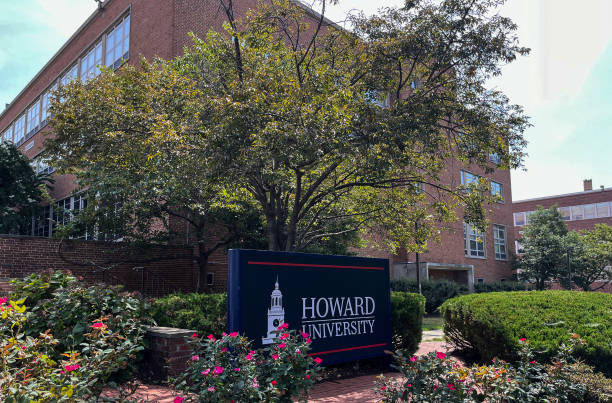
In the wake of the Supreme Court’s dismantling of affirmative action, historically Black colleges and universities (HBCUs) are experiencing a historic, record-shattering enrollment boom. Many campuses are now confronting an unexpected reality: Success is arriving faster than their infrastructure can keep up, and the shift is already taking a toll.
Predominately white institutions have become less accessible and increasingly hostile under massive anti-DEI rollbacks, prompting Black Gen Z scholars to prioritize safety and sustainability within their own institutions. While we love to see Black colleges soaring higher than ever, a harsh reality is unfolding for the very students filling these classrooms. This includes housing shortages, dining overloads, and basic-needs insecurity.
Here’s what you should know about what’s unfolding behind the scenes at our HBCUs.
RELATED: The Rising HBCU Enrollment: 15 Largest Black Schools Ranked by Size
Howard University: The Cost Penalty

From Howard University, where on-campus housing costs roughly $12,380, to federally estimated off-campus living expenses that can reach about $18,050 a year, students are navigating a widening affordability gap as campuses strain under record enrollment, per The Hilltop. With demand outpacing supply, more students are being pushed into limited off-campus and university-affiliated housing options, waitlists, and fast-moving D.C. leases.
Howard Housing Reaches Capacity

This year, Howard University welcomed its largest freshman class ever—more than 2,700 students—following a record-breaking 37,000 undergraduate applications, a 12% increase in applicant volume, and an acceptance rate of 30–32%, per Kennedy Human Rights. The university maintains 5,423 on-campus beds, while undergraduate enrollment alone surpasses 11,500 students.
Fisk University: The Shipping Container Solution

After a more than 60% enrollment surge that outpaced traditional construction timelines, Fisk University turned to more unconventional solutions. According to Scion Advisory, the school invested $4 million in a modular student village made from retrofitted shipping containers to house 98 students. Yes, the approach is innovative, but also a harsh reminder of the physical limits of rapid enrollment growth.
Florida A&M University (FAMU): 500 Freshmen Without Housing

Due to skyrocketing popularity, officials told more than 500 incoming freshmen that the campus could not provide beds for them, per Open Campus. Since then, FAMU’s university board approved a massive $238 million housing project pipeline to add thousands of beds to catch up, and provide students with the housing they deserve.
Jackson State University (JSU): The 380-Student Housing Shift

At Jackson State University, a severe housing crunch pushed more than 380 students to sign a petition after being abruptly shifted out of traditional campus housing—without warning—due to over-allocation. Demand was so high that JSU began leasing rooms at nearby hotels for hasty off-campus accommodations to ensure students had safe housing, per Wilberforce.
Wilberforce University: Oldest Private HBCU Under Pressure

Wilberforce University, along with several other HBCUs, experienced a sudden 7% enrollment increase despite an overall decline in higher education enrollment nationwide, according to the school’s Office of Institutional Advancement. Even Wilberforce—the nation’s oldest private HBCU—faced housing strain when a primary off-campus housing arrangement fell through amid construction delays, per the outlet, leaving a portion of its growing student body scrambling for accommodations.
Reaction From Students and Families
While the stats speak for themselves, displaced students are reacting to the news of the housing crisis online.
“One thing about an HBCU, they will never have enough rooms for everybody,” TikToker @rylaan_said in a post on the platform. “Why the f*ck does it turn into the Hunger Games whenever the dorms come out?
HBCUs Are Chronically Underfunded

The issues we’ve laid out aren’t due to bad administration, but a result of systemic underfunding. Federal officials say 16 states have collectively underfunded their historically Black colleges and universities by an estimated $12 billion, per NPR. Decades of systemic state underfunding have left historic campuses facing an unprecedented infrastructure crisis, turning institutional triumph into a logistical scramble.
The National Trend Contrast

A rare good problem in higher education: while public post-secondary institutions nationwide saw a 3.0% decline in overall enrollment over the last decade, HBCUs bucked the broader trend entirely—growing 2.6% over the same period, driven by a post-pandemic application boom that has set them apart from the rest of the sector, per CSG South.
The Cost of HBCU Underfunding Exposed

A lack of equitable funding has severely limited investment in campus infrastructure, leaving many HBCUs to operate with outdated facilities, lagging classroom technology, and smaller endowments, per Forbes, despite the fact that PBIs have educated many of our most influential leaders in American history.