
Black Woman’s 13-Year Search for a Parkinson’s Diagnosis— And How She’s Helping Others Get Answers Faster
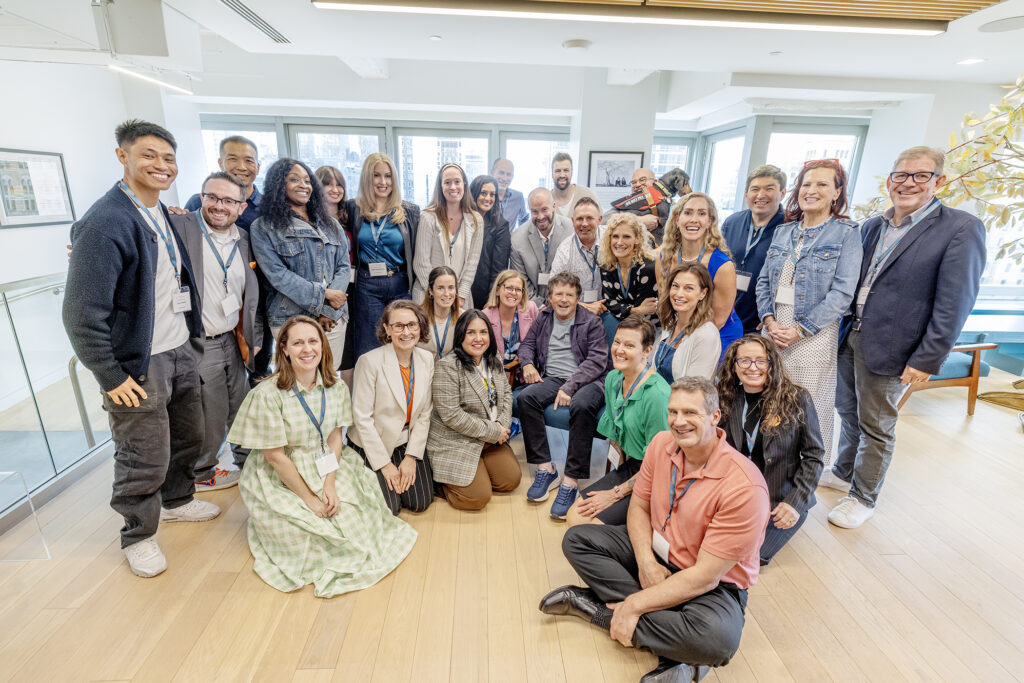
Tyaisha Blount-Dillon was working in sustainable operations for the USDA Forest Service when she received an official diagnosis of Parkinson’s disease at age 35—the world’s fastest-growing neurological disorder that impairs the brain’s ability to control movement, balance, and fine motor skills. But Blount-Dillon had already been navigating mysterious symptoms since she was 21. Refusing to let the diagnosis define her, she transformed her experience into action, becoming an avid advocate for clinical research and joining the vibrant community at The Michael J. Fox Foundation (MJFF), an organization dedicated to aggressively funding research and delivering life-changing therapies to those living with the disease.
For a patient like Tyaisha, participating in research helped her take back control after years of unexplained symptoms. Through MJFF’s landmark study, the Parkinson’s Progression Markers Initiative (PPMI), everyday actions—from sharing health data online to completing a quick survey—directly feed the open-access database driving breakthroughs that are moving us closer to a cure.
In this Q&A with The Root, Blount-Dillon shares how she managed her symptoms for over a decade before doctors listened, how she’s lifting up others living with Parkinson’s, and why every patient must become their own unapologetic advocate.

What concerning symptoms were you experiencing before your diagnosis?
“I had to stop shopping in a grocery store because I couldn’t move. My foot was cramping so badly that I had to walk on my toes to get out of the store. It was really painful.
RELATED: “How a Black Doctor is Working to Close the Racial Participation Gap in Clinical Trials”
Another instance was working for the Forest Service. I worked in the field doing hydrology work at the time. I would be in the field with my coworkers, my rigidity would flare up, and then I couldn’t walk, so I pretended to tie my shoes until it subsided. Another time was when I got home from work, and I couldn’t get out of the bathtub.”
You started experiencing Parkinson’s symptoms at 21 years old but didn’t get a diagnosis until years later. What barriers stopped you from receiving a diagnosis sooner?
“How I looked. I was young, very athletic, and in shape. I spent eight hours [a day] outside in the woods collecting data. I had to navigate uneven terrain and be physically fit to do that. When I would go back to college, maybe I wouldn’t work out as frequently, and I could tell that the disease would progress a lot more when I was in school.
Also, I think my knowledge about my body, and how I communicated that to the doctors, could have been off-putting. Then, whenever I would go to the doctor, the rigidity wouldn’t show.
The most impactful thing was when I picked up my records from a doctor in South Carolina. The doctor wrote, ‘Young 21-year-old has a very good job but is crying because she can’t walk in the field.’ I found that to be so dismissive.”

What was the turning point that finally led to a diagnosis?
“I found a care team that would work together. I started researching the kind of empathetic, family-valuing doctors I wanted to have on my side. That’s how I learned to advocate for myself. So when I was pregnant with my second son, my gynecologist and neurologist worked as a team to get me hospitalized, and they were able to figure out what was going on.
I was one step away from being in a wheelchair permanently. Physical therapists couldn’t help me. I am not supposed to be as viable as I am now. I ended up putting together a blueprint because I noticed what was working and what wasn’t.
I hired a trainer. I did a cycling class a couple of days a week. I threw two days of HIIT into the mix. Within six months, I had turned my whole life around. Mindfulness was definitely important. I couldn’t allow negativity into my repertoire because negativity breeds stress, and stress elevates my symptoms. And nutrition. Anything that was green, I consumed it. Dark, leafy greens. Colorful vegetables. I devoured it. And sunlight.”
How do you help others with brain health issues?
“In 2018, I chose to retire, primarily because I was having deep brain stimulation surgery, which is not for the faint of heart. But I still wanted to do something that would make a change. In my job, I worked with people in communities with food deserts, and it’s directly connected to promoting proper nourishment for brain health. So that’s how sustainability got connected and how I ended up winning a Global Sustainability Award.
I wrote a book called “The Bayou Bounce.” I’m from Baton Rouge, Louisiana. Bounce music has been very near and dear to my generation because it was our sense of community as we grew up and had house parties with bounce music. Listening to that music brings me joy. The book was a culturally relatable entry point to brain health and made it applicable to everyday life.”

“I started Aly Creative to produce brain health educational materials. My nonprofit, The Thriving Brain & Development Project, facilitates getting this information out to the masses. The TBD Project also helps sponsor cooking classes on gut-healthy foods for people with Parkinson’s or other brain health issues.”
Black patients are underrepresented in Parkinson’s trials, but they’re also underdiagnosed to begin with. Which problem has to get solved first?
“The underdiagnosis problem first. Because if you don’t get the problem addressed, that’s a recipe for disaster. […] If I didn’t have the wherewithal to fight, I would be in a wheelchair right now. Being undiagnosed limits people’s capacity to contribute to their well-being and financial stability. It limits so much and impacts other people.”
Black people are underrepresented in Parkinson’s research. What would you say to folks who might be hesitant to participate in research due to the history of bias against Black people in health care?
“Once you’re stricken with a disease, you change your tune about not participating. This is how we’re going to get the information to further our comfort with the medicine, and further the development of treatments that cater to the specific symptoms we have. It’s a no-brainer to me. To impact change, we need to implant ourselves in places and spaces where we’re not traditionally represented.”
Whether you have Parkinson’s or not, you can make a difference by joining MJFF’s landmark study. Participation is free with several at-home opportunities, including scratch-and-sniff smell tests, genetic testing and online surveys.
Every participant matters. Getting started takes just minutes. Answer a few questions and create an account to see what you may qualify for. Learn more and sign up today.
This Q&A has been edited for length and clarity.
Editor’s note: The Michael J. Fox Foundation is a Root advertiser.