
177 Years After Her Escape: The Truth About Harriet Tubman You Were Never Taught
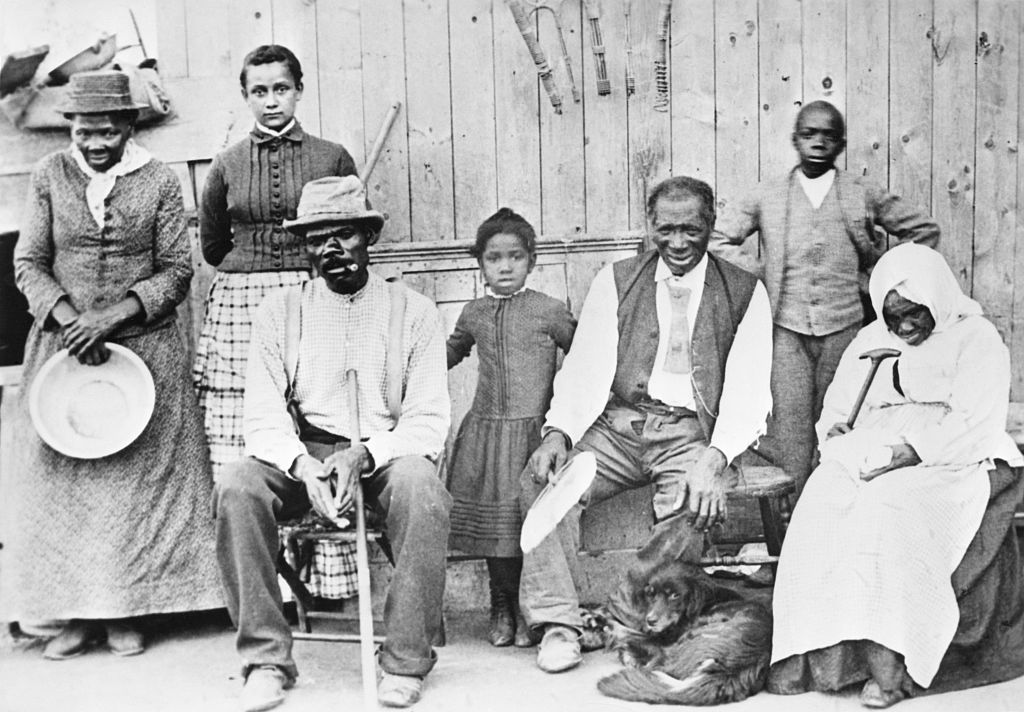
On September 17, 1849, Harriet Tubman and her two brothers courageously set out to escape the plantation for freedom up north. However, her brothers quickly turned back out of fear, leaving Tubman to push forward into the unknown completely alone. While history books rightly honor her as the legendary “Moses of Her People,” the full truth of her brilliance is far more complex than most classrooms ever let on.
On the 177th anniversary of her escape, The Root is sharing the little-known facts about the abolitionist and hero you definitely weren’t taught in history class.
The Injury That Fueled Her Fearlessness

Long before she became the conductor of the Underground Railroad for eight years, an overseer threw a two-pound iron at an enslaved youth who tried to flee a store when Harriet Tubman was a teenager. The heavy weight struck Tubman in the head instead, Psychology Today reported.
As a result of her severe brain injury, she endured chronic pain, seizures, and sudden lapses into unconsciousness, according to the National Library of Medicine. Yet, what doctors viewed as trauma, Tubman saw as a higher calling—interpreting her vivid visions as divine premonitions of fate and faith that guided her toward freedom.
The First Woman to Lead an Armed Military Raid
According to the Armed Forces Heritage Museum, Tubman made history as the first woman to lead an armed military raid during the Civil War in June 1863. She not only guided Union gunboats up the Combahee River Raid in South Carolina and destroyed Confederate supplies, in a single night, her tactical precision liberated over 700 enslaved people.
RELATED: Foolish Black TikTokers Claim Harriet Tubman Wasn’t Real, But Here’s The Truth
Leading by example, Harriet Tubman did not carry rank, but she gathered intelligence from her secret network of Black scouts to navigate three Union steamships past Confederate water mines without triggering a single explosive, per the Smithsonian.
Harriet Was Not Her Given Name

The woman the world has known as Harriet Tubman was one of nine children to parents Harriet “Rit” and Ben Ross on Maryland’s Eastern Shore, as reported by History.com. However, her birth name was Araminta “Minty” Ross.
While slaveholders tore her family apart, selling three of Minty’s sisters to distant plantations, and loaning her out into dangerous labor, she refused to be defined by her circumstances.
Around 1844, Minty married John Tubman, a free Black man, and shed her enslaver-given name, History.com reported. She named herself “Harriet” to honor her resilient mother.
Harriet Tubman’s Final Legacy of Love

Even after surviving a lifetime of war, bounty hunters, and unthinkable danger, Harriet Tubman’s heart never closed. In her later years in Auburn, New York, she didn’t quietly retire, she kept fighting.
Distressed to see formerly enslaved Black Americans cast aside in poverty with nowhere to turn, Tubman purchased at auction 25 acres of land to establish The Tubman Home for Aged and Indigent Negroes at 74 years old, according to the National Park Service.
In 1908, she poured every dollar she had—and even took on debt—to guarantee that the Black elderly and impoverished would have a place to sleep, eat, and age with dignity. Eventually she spent her own final days being cared for inside the very refuge she built for others.
Today, The Tubman Home for Aged and Indigent Negroes, located at 180 South St. in Auburn, New York, is a public museum and is part of Harriet Tubman National Historical Park.