
14 Black Icons Who Fought Motown For Their Coins
June is Black Music Month, a time to celebrate the artists, songs, and sounds that helped shape American culture. Few institutions loom larger in that story than Motown, the Detroit hit factory that introduced the world to legends like Marvin Gaye, Diana Ross, The Jackson 5, and the Temptations.
The label transformed popular music and helped break down racial barriers, turning Black artists into global superstars. But behind the chart-topping hits and crossover success lies a more complicated story. Over the years, numerous artists, songwriters, and performers accused Motown founder Berry Gordy and his company of underpaying them, withholding royalties, or denying them a fair share of the wealth they helped create.
These are 14 Motown stars who said the money didn’t match the music.
Mary Wells

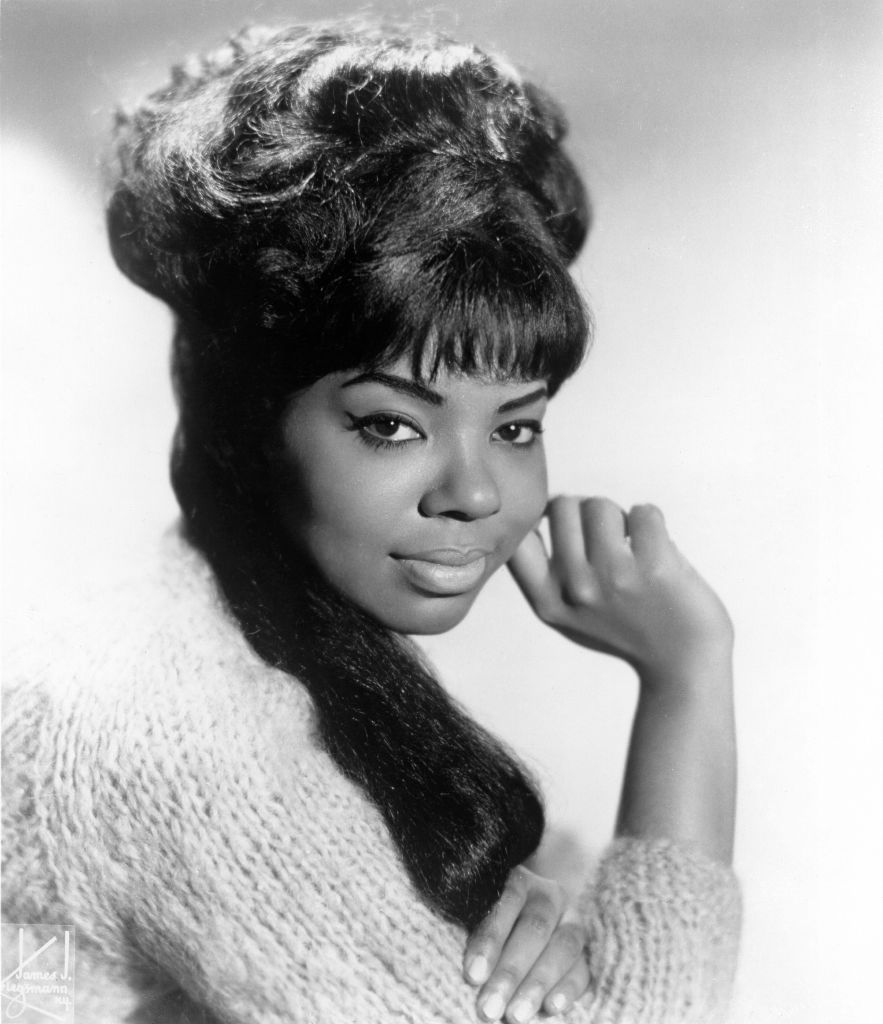
Known as the “Queen of Motown,” Mary Wells helped establish the label’s early sound with hits like “My Guy.” After leaving the label in 1964, Wells spent years arguing that she had not received royalties she was owed. In 1991, she filed a multimillion-dollar lawsuit claiming, “Motown breached their contracts and engaged in unfair business practices by failing to pay royalties.” Motown eventually settled the case for a six-figure amount, giving credibility to her longstanding claims.
Gladys Knight

Gladys Knight and the Pips produced enduring hits such as “I Heard It Through the Grapevine.” (Their biggest song with the label.) But Knight later spoke openly about frustrations with Motown’s business practices, reportedly saying, “Diana & the Supremes, The Temptations, and Marvin Gaye were given all the hits, while we took the leftovers.” She believed the group never received the level of support and financial compensation their success warranted.
Martha Reeves

As the lead singer of Martha and the Vandellas, Martha Reeves delivered classics like “Dancing in the Street.” Reeves later became one of the most vocal critics of Motown’s royalty practices. She argued that artists generated millions for the company while often receiving surprisingly small payments in return. Over the years, Reeves publicly discussed royalty disputes and the financial struggles many Motown performers faced despite their role in creating one of the most successful labels in music history.
Related: Inside Carmelo Anthony’s Artsy New York Mansion
David Ruffin

David ‘Ain’t nobody coming to see you, Otis!’ Ruffin was the unforgettable lead voice behind The Temptations’ classics like “My Girl.” Ruffin stayed clashing with Motown management over how money was being distributed. His disputes with the label mirrored a common complaint among Motown performers: that artists generated enormous revenue but had limited insight into how much of it actually reached them.
Eddie Kendricks

Eddie Kendricks, another founding member of The Temptations, was famous for songs like “Just My Imagination,” but he had a notoriously strained relationship with Gordy. He felt outspoken artists were sometimes marginalized and left because he said, “We were working with people that didn’t have our best interests at heart.”
The Isley Brothers

Ronald Isley (a.k.a. Mr. Biggs) is the most recognizable member of The Isley Brothers, the group known for songs like “Got To Have You Back” and “This Old Heart of Mine.” But behind the hits was growing frustration with the label. The Isleys felt Gordy kept too much control over their music, publishing, and money they took home. They wanted the freedom to write their own material and own more of what they created so they left, but the story did not end there.
Motown’s relationship with the Isley Brothers ended so bitterly that Berry Gordy sued them after they released “It’s Your Thing,” claiming the song had been recorded while they were still under contract. The Isleys prevailed in court, keeping ownership of the hit and proving that leaving Motown had been the right business decision.
The Four Tops

Who could forget The Four Tops’ song “Reach Out I’ll Be There”? While they were less publicly combative than other Motown artists, members of The Four Tops later expressed frustration with Gordy’s financial practices. They felt the group’s contributions were not matched by financial rewards or promotional support, leading them to eventually leave the label.
Barrett Strong

You may not know his name, but Barrett Strong recorded Motown’s first major hit, “Money (That’s What I Want),” and later wrote songs like “Smiling Faces Sometimes” and “Papa Was a Rollin’ Stone.” In later years, Strong became involved in disputes concerning songwriting credits and publishing royalties. He argued that his contributions were not properly recognized or compensated. He died in 2023 without receiving the money he was due.
Thelma Houston

Thelma Houston is best known for her Grammy-winning hit “Don’t Leave Me This Way,” one of Motown’s biggest records of the 1970s. After leaving the label, Houston spoke openly about the financial realities many Motown artists faced. She also recalled how little control artists had over their own careers, including the frustration of seeing songs reassigned to other performers after they had already recorded them. Her version of “Do You Know Where You’re Going To” was shelved before the song became a hit for Diana Ross in Mahogany, a reminder that at Motown, the label had the final say.
Kim Weston

Kim Weston scored one of Motown’s biggest duets with “It Takes Two,” a duet with Marvin Gaye. Despite her success, Weston felt she was being cheated out of money. In 1967, she left the label at the height of her fame and joined her husband Mickey Stevens’ company, citing dissatisfaction with her contract and financial arrangements. Her departure reflected a growing belief among some Motown artists that the label benefited far more from their success than they did.
Lamont Dozier

Only real ones know the name Lamont Dozier. He was one-third of the legendary Holland-Dozier-Holland songwriting team responsible for hits like “Heat Wave” and “Baby Love.” Despite helping create Motown’s golden era, Dozier and his partners entered a bitter dispute with Berry Gordy over royalties and profit-sharing. When discussing what happened, he said “We decided to essentially go on strike.” The conflict escalated into lawsuits and countersuits that lasted for almost a decade. In fact, his was one of the longest-running legal battles in music history.
The Jackson 5

The Jackson 5 was one of Motown’s biggest acts. They turned Michael, Jackie, Tito, Jermaine, and Marlon Jackson into international stars with hits like “I Want You Back.” Despite their success, the family grew increasingly dissatisfied with their contract, royalties and lack of creative control. By 1975, The Jackson 5 left Motown after learning they were receiving only about 2.8% royalties. They went on to sign a deal with Epic Records that paid about 20% per record. Jermaine said of the split, “The artists sold the records, but we really got robbed back then.”
Florence Ballard

Florence Ballard was a founding member of The Supremes and helped record hits such as “Where Did Our Love Go,” but was eventually forced out of the group because of weight gain and her struggles with alcohol. Recalling how she felt after being dismissed by Gordy, Ballard said he essentially told her, “In other words, you’re nothing.”
She later sued Motown, claiming she was owed additional royalty payments. The singer also argued that agreements signed during her departure deprived her of future earnings tied to the group she helped build. Her financial struggles became one of Motown’s most tragic stories when she died penniless at the age of 32.